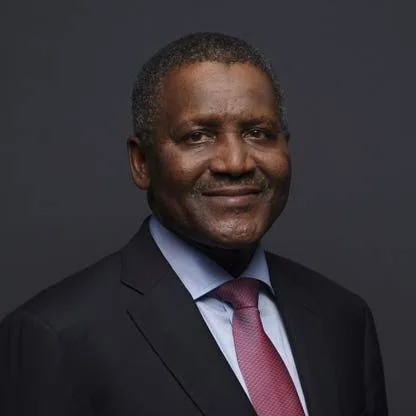

Gbadebo Rhodes-Vivour, former Labour Party governorship candidate for Lagos State and current African Democratic Congress (ADC) member, has raised concerns over President Bola Tinubu’s frequent foreign trips, arguing they provide limited benefits to Nigerians facing economic challenges.
Speaking on Morning Brief on Channels TV on Tuesday, Rhodes-Vivour questioned the timing of Tinubu’s ongoing state visit to the United Kingdom, citing rising fuel prices and domestic hardships.
“The President has spent a significant amount of time travelling abroad while the people are experiencing extreme hardship. That is unprecedented,” he said. “Considering the pain Nigerians are dealing with, particularly higher petrol and diesel prices, I don’t think this visit is a priority right now.”
He acknowledged that foreign visits can enhance the President’s international image and credibility but argued they have minimal impact on the daily lives of ordinary citizens.
“Visiting abroad may add legitimacy and credibility to his position as President. It is good for him, his image, and his party, but I don’t see how it benefits the average Nigerian,” Rhodes-Vivour said.
President Tinubu is currently in the UK on a state visit, accompanied by First Lady Remi Tinubu and other senior officials.
The visit, scheduled from March 18 to 19, is the first by a Nigerian leader to Britain in 37 years and includes meetings hosted by King Charles III and Queen Camilla at Windsor Castle.
According to the presidency, the trip aims to strengthen diplomatic relations and explore avenues for bilateral collaboration between Nigeria and the United Kingdom.
Observers note that while the visit carries symbolic significance, critics like Rhodes-Vivour question its tangible benefits amid persistent economic difficulties at home.
The debate highlights growing public scrutiny over government priorities and the balance between international diplomacy and domestic welfare.