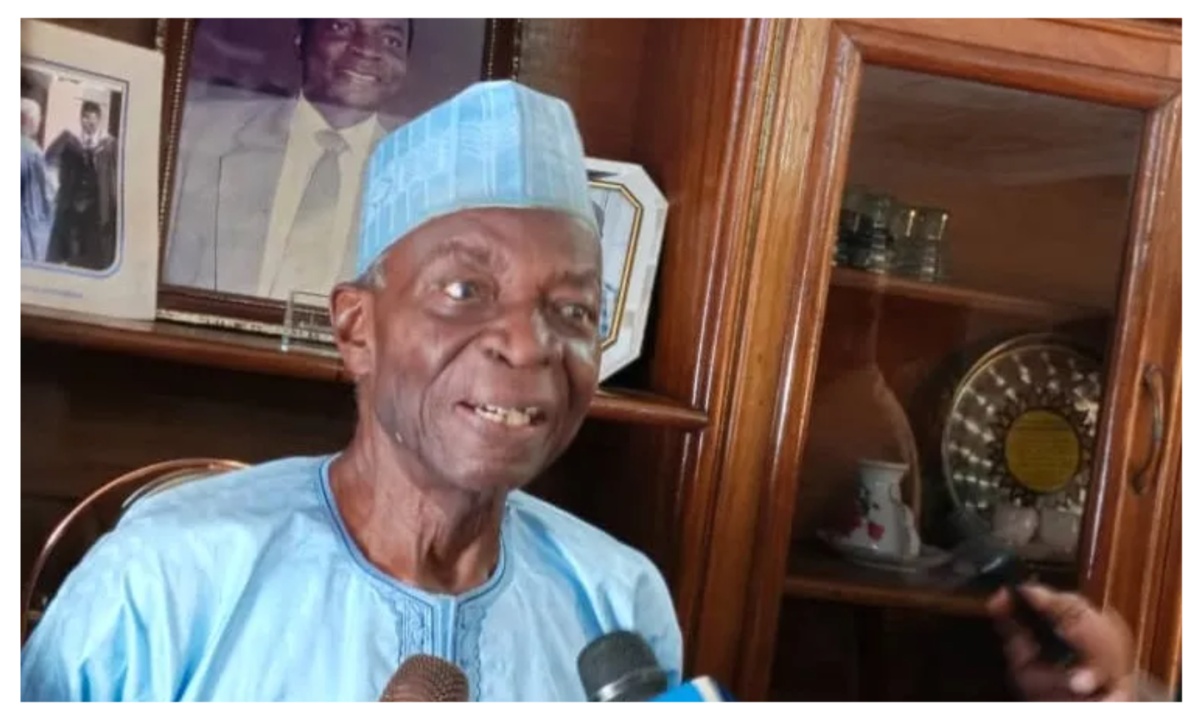
Ahmed Rabiu, President of the Network of Practicing Non-Oil Exporters of Nigeria, has said Nigeria could increase its non-oil export capacity from about 15 percent to as high as 80 percent with the right business environment and policy support.
Rabiu made the remarks on Tuesday in Abuja during an event announcing the outcome of a market survey on challenges and opportunities in Nigeria’s non-oil export sector.
He noted that although the government has introduced several initiatives to promote non-oil exports over the years, exporters still face major operational constraints that limit performance.
“Our exporters today are exporting less than 15 percent of what they should be. Once the operating environment improves, they could reach 80 percent, 90 percent, and even create new avenues,” Rabiu said.
He added that improved implementation of export-friendly policies could unlock significant value across sectors such as agriculture, solid minerals, and services, with the potential to generate substantial foreign exchange earnings.
Rabiu linked the sector’s growth prospects to opportunities under the African Continental Free Trade Area, describing regional trade integration as a key pathway for expanding Nigeria’s export footprint across Africa.
He expressed optimism that improvements in the ease of doing business, particularly in export procedures, could emerge in the coming months and help accelerate growth in the sector.
According to available data, Nigeria’s non-oil exports rose to $6.1 billion in 2025, up from $5.46 billion recorded in 2024, reflecting gradual progress despite persistent structural challenges.