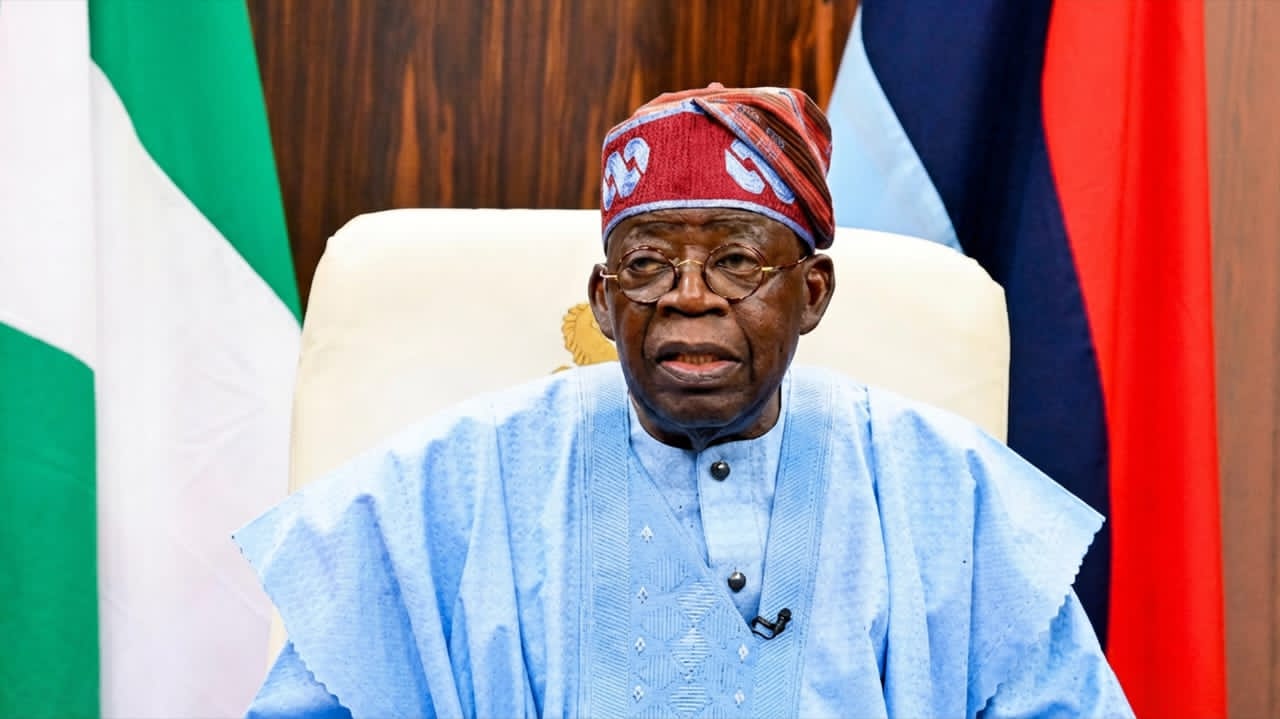
Electricity consumers and industry stakeholders have raised concerns over President Bola Ahmed Tinubu’s approval of ₦3.3 trillion to settle legacy debts owed to power generation companies (GenCos), warning the move may not resolve Nigeria’s persistent electricity supply challenges.
Presidential spokesman Bayo Onanuga announced the approval on Sunday, saying the funds were intended to address long-standing liabilities in the power sector. However, the decision has triggered mixed reactions from industry players and energy experts.
The Association of Power Generation Companies of Nigeria questioned the parameters used to determine the ₦3.3 trillion figure. Its Chief Executive Officer, Joy Ogaji, said GenCos were not consulted during the verification process that produced the debt estimate.
Similarly, broadcaster Oseni Rufai criticised the announcement in a social media post, describing the figure as “propaganda” and referencing an earlier statement by Minister of Power Adebayo Adelabu in March 2024. Onanuga, however, rejected the claim and defended the government’s position.
The controversy comes amid a separate ₦501 billion power sector debt resettlement bond recently announced by the Federal Government. Meanwhile, electricity supply across the country remains unstable, with about 3,345 megawatts allocated to distribution companies as of April 3, 2026. Power outages also affected several areas during the recent Easter celebrations.
President of the Nigeria Consumer Protection Network, Kunle Olubiyo, said settling the debt alone would not address the structural challenges affecting the sector. He cited discrepancies in the debt figures and concerns about weak data verification processes.
“As good as the payment may sound, it will not address the myriad of challenges bedeviling the power sector,” Olubiyo said, adding that conflicting claims surrounding the debt estimates suggested the figures were not based on scientifically verifiable parameters.
A retired staff member of the defunct Power Holding Company of Nigeria, Ewetumo A. A., also criticised the plan, alleging a lack of progress since the proposal was first announced. He estimated total liabilities in the Nigerian Electricity Supply Industry at about ₦12 trillion, with roughly ₦6 trillion owed to GenCos alone.
Ewetumo further questioned the transparency of the process, noting that despite repeated announcements since 2024, the government had yet to provide a detailed framework for disbursing the ₦3.3 trillion settlement. He warned that without clear implementation measures, the intervention may have limited impact on improving electricity supply nationwide.