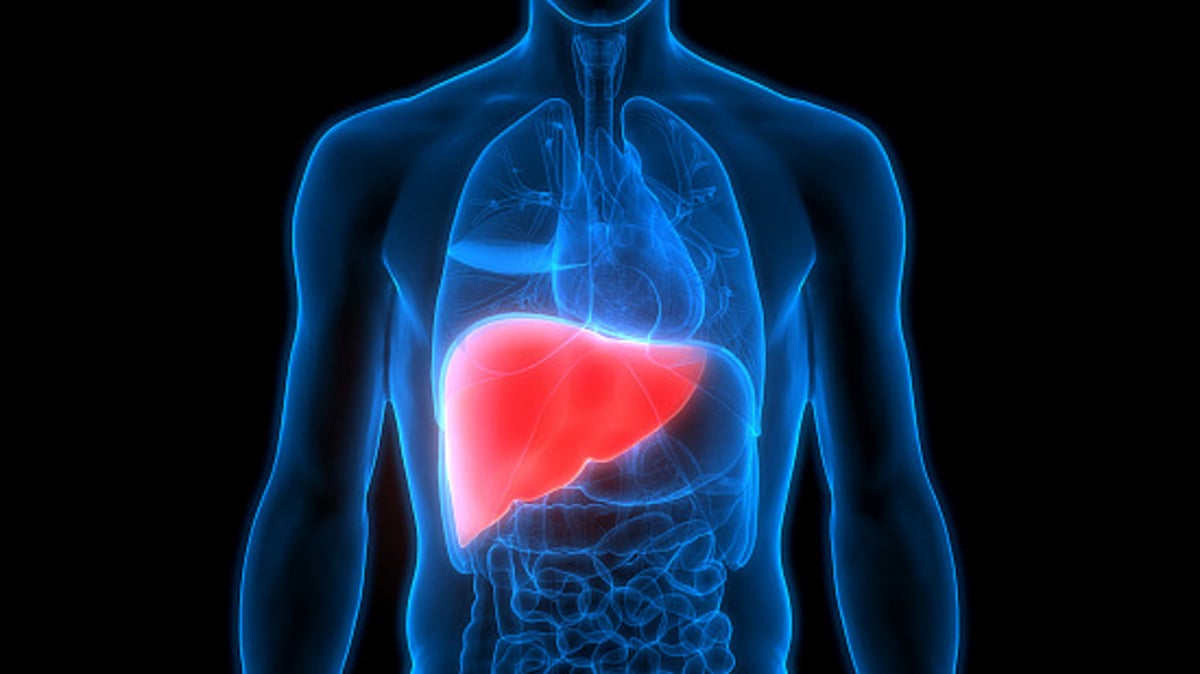
A new study has found that occasional heavy drinking—even among people who otherwise drink moderately—may significantly increase the risk of serious liver damage, particularly in individuals with Metabolic dysfunction-associated steatotic liver disease (MASLD), the most common liver condition globally.
The research, published in Clinical Gastroenterology and Hepatology, showed that people with MASLD who engage in episodic heavy drinking are about three times more likely to develop advanced liver fibrosis compared with those who consume the same total amount of alcohol spread over time.
Episodic heavy drinking is defined as consuming four or more drinks in a single day for women and five or more for men at least once a month. Researchers found that the higher the number of drinks consumed in one sitting, the greater the risk of harmful liver scarring.
The findings challenge the traditional medical focus on total alcohol intake as the primary risk factor for liver disease, suggesting that drinking patterns also play a critical role in determining long-term liver health.
The study analysed data from more than 8,000 adults collected between 2017 and 2023 through the National Health and Nutrition Examination Survey in the United States, a large national health dataset used to assess population trends.
Lead author Brian P. Lee, a hepatologist and liver transplant specialist at Keck Medicine of USC, said episodic heavy drinking can overwhelm the liver, increase inflammation, and accelerate long-term damage, particularly among individuals already living with metabolic risk factors.
MASLD commonly affects people with obesity, high blood pressure, high cholesterol, or type 2 diabetes, and its prevalence is rising worldwide. Although it is not classified as an alcohol-related liver disease, researchers sought to determine whether alcohol use still contributes to its progression.
More than half of adults in the study reported episodic heavy drinking, while nearly 16% of those diagnosed with MASLD fell into the same category—figures researchers say highlight a widespread but under-recognised public health concern.
Lee urged greater awareness of the risks associated with occasional heavy drinking, noting that even people who otherwise drink within moderate limits may still face increased liver disease risk depending on how they consume alcohol.