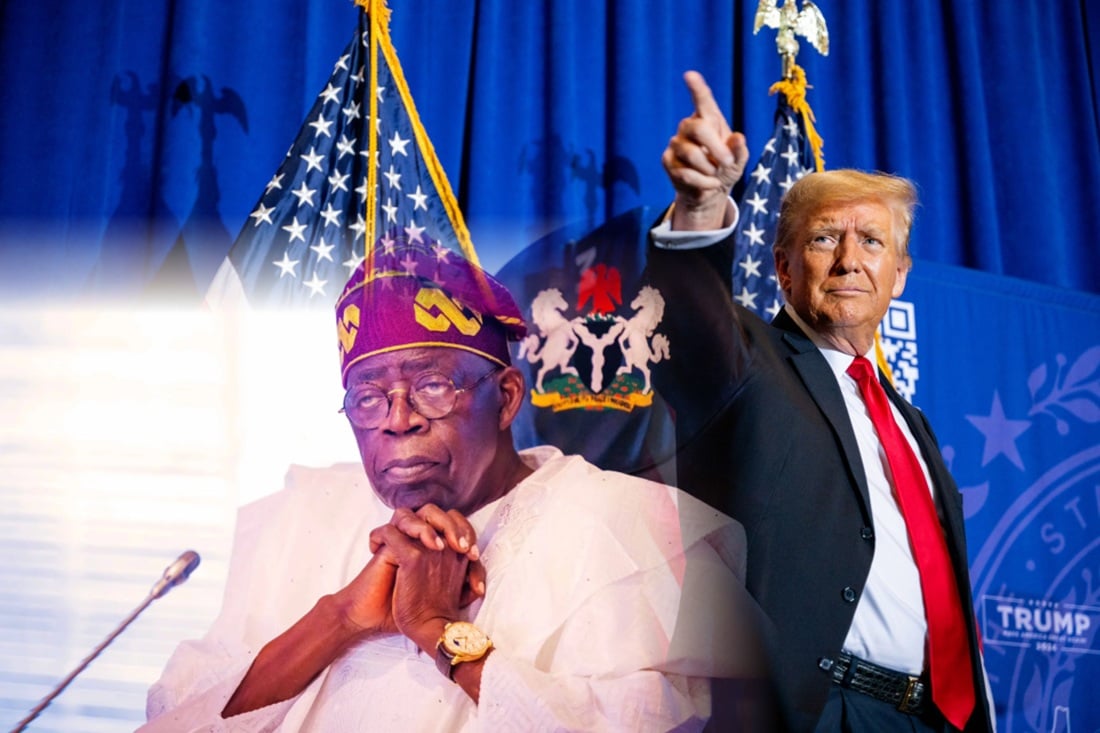
The United States House Appropriations Committee has approved a proposal to withhold 50 per cent of U.S. aid to Nigeria unless the country demonstrates measurable progress in addressing insecurity, protecting civilians, and ensuring accountability.
The measure is part of the Fiscal Year 2027 National Security, Department of State, and Related Programmes appropriations bill, which outlines funding priorities for U.S. foreign aid and diplomacy.
The broader bill allocates approximately $47.32 billion, representing a reduction of about six per cent from the previous year’s budget.
Under the proposal, the U.S. Secretary of State would be required to certify that Nigeria is taking “effective steps” to improve security, safeguard vulnerable populations, and prosecute those responsible for violence before half of the aid can be released.
Lawmakers said the conditions reflect concerns over ongoing attacks by militant groups and the impact of violence on communities across the country.
The legislation also calls on Nigerian authorities to prioritise support for victims, particularly internally displaced persons, and to facilitate the safe return and rebuilding of affected communities, alongside investigations and prosecutions linked to armed groups.
In addition, Nigeria would be expected to match U.S. funding for supported programmes, effectively introducing a dollar-for-dollar arrangement that could increase fiscal pressure on the government.
A committee statement said the bill is intended to “hold foreign governments accountable for persecuting people of faith,” adding that assistance to Nigeria would remain restricted until measurable actions are taken to protect vulnerable populations.
The proposal further requires the U.S. administration to notify Congress at least 15 days before disbursing any funds, placing Nigeria under increased legislative oversight.
The bill has not yet become law and must still pass both chambers of Congress and be signed by the U.S. president. Nigerian authorities have previously rejected claims that violence in the country is driven by religious persecution, attributing insecurity instead to a mix of terrorism, banditry, and communal conflicts.