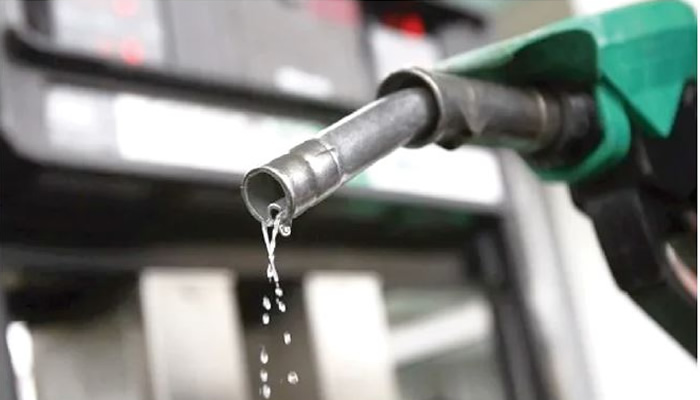
Motorists in Nigeria’s Federal Capital Territory (FCT) have intensified calls for urgent government action following a fresh surge in petrol prices, which they say is worsening economic hardship and disrupting transportation across Abuja.
Findings by the News Agency of Nigeria on Sunday show that fuel prices have risen significantly in recent weeks. While petrol previously sold between N1,261 and N1,295 per litre, the Nigerian National Petroleum Company Limited now sells at about N1,364 per litre. Other major marketers, including MRS, BOVAS, AP (Ardova), and Mobil, have adjusted pump prices to between N1,364 and N1,370, while independent outlets such as AA Rano, Emedab, Empire Energy, and Ranoil sell as high as N1,440 per litre.
The steady increase—up from around N900 per litre in February—has forced many motorists to scale down operations or abandon driving altogether. Commercial drivers say the rising cost of fuel has significantly reduced their earnings, even as they increase fares to stay afloat.
A commercial driver, Adewale Bello, said the unpredictable price regime makes it difficult for operators to plan or sustain their livelihoods. He noted that many commuters now opt to trek short distances or limit travel, leaving drivers stranded for hours despite higher fares.
The impact is also being felt by commuters. Civil servant Bisi Emmanuel said her transportation expenses have nearly doubled, forcing her to cut down on workdays and other essential spending. She added that the scarcity of commercial vehicles has further compounded the problem.
Similarly, another driver, Sani Isa, called for targeted subsidies and palliative measures, warning that rising transport costs are contributing to higher food prices nationwide. He added that longer working hours and declining patronage are pushing many drivers out of business.
Business owners are also grappling with the ripple effects. A trader at Utako Market, Uloma Ndubisi, said increased transportation costs are being transferred to consumers, making basic goods increasingly unaffordable.
Stakeholders are now urging the government to explore long-term solutions. Logistics operator Emeka Obi advocated investment in alternative energy sources such as compressed natural gas and electric vehicles, alongside improved mass transit systems to reduce dependence on petrol.
An Uber driver, Osas Pascal, said he has stopped driving entirely due to losses, while economic analyst Shehu Liman warned that rising fuel costs are fueling inflation and placing additional strain on households.
With petrol price hikes affecting nearly every sector, pressure is mounting on the Federal Government to implement policies that will stabilise fuel costs and ease the burden on Nigerians.