Nearly two years after the Supreme Court ordered the direct payment of federal allocations to Nigeria’s 774 local government councils, implementation of the landmark judgment remains largely stalled, despite councils receiving ₦10.48 trillion in Federation Account Allocation Committee (FAAC) disbursements during the period.
An analysis of FAAC reports, using data from the National Bureau of Statistics and the Office of the Accountant-General of the Federation, shows that local governments received ₦10.479 trillion between the July 2024 and June 2026 FAAC meetings. Allocations rose from ₦4.496 trillion in the first year after the ruling to ₦5.984 trillion in the second year, representing a 33.1 per cent increase.
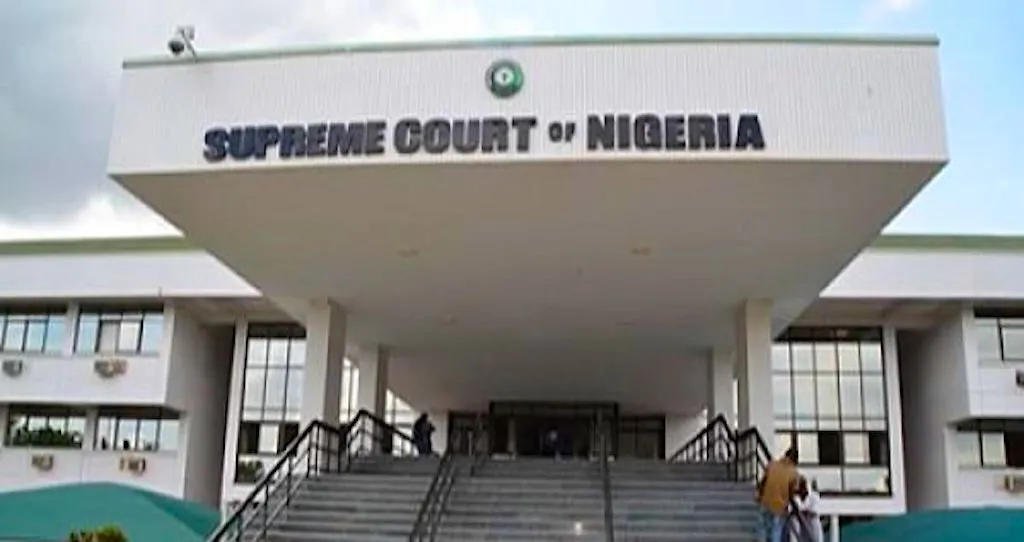
The Supreme Court, in a judgment delivered on July 11, 2024, ordered that allocations be paid directly into local government accounts, barred state governments from withholding or spending council funds, and declared the operation of unelected caretaker committees unconstitutional. However, questions remain over whether the ruling has been fully implemented nationwide.
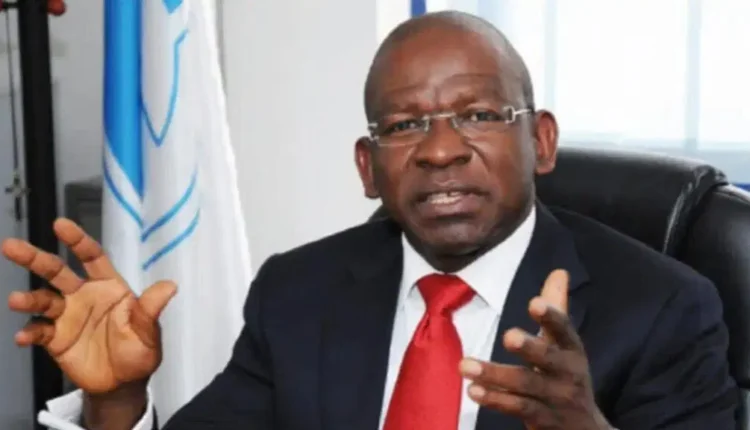
The National Union of Local Government Employees (NULGE) said the Federal Government has yet to begin direct transfers to councils. NULGE President Aliyu Kankara said the union had repeatedly urged the government to implement the judgment but claimed that state governments still receive local government allocations through the joint account system.
Findings across several states, including Kaduna, Kano, Benue, Plateau and Sokoto, indicate that most councils continue to operate under State Joint Local Government Accounts, with officials alleging that governors still control the release and use of council funds. Some local government officials said councils receive only a fraction of the amounts allocated through FAAC after state-level deductions.
In Kano, officials confirmed that local governments still operate joint accounts with the state, while council chairmen reportedly require state approval before accessing funds for projects. Similar concerns were raised in Benue, where officials said efforts to open Central Bank accounts for councils had been hampered by administrative procedures involving the state government.
Abia State presents a slightly different picture, with councils operating independent bank accounts. However, local government officials said the Federal Government had yet to provide clear guidelines for implementing the Supreme Court judgment, leaving the existing funding structure largely unchanged.
Jigawa emerged as the notable exception. The state’s Association of Local Governments of Nigeria (ALGON) said all 27 councils now receive their allocations directly from the Federal Government into independent accounts without deductions by the state. The association said the arrangement has improved transparency and strengthened service delivery at the grassroots.
Beyond local government allocations, FAAC shared a total of ₦42.71 trillion among the Federal Government, states, local governments and oil-producing states between July 2024 and June 2026. The Federal Government received ₦14.62 trillion, states ₦14.51 trillion, local governments ₦10.48 trillion, while oil-producing states received ₦3.1 trillion as 13 per cent derivation revenue.
Despite the increase in allocations, stakeholders argue that meaningful local government autonomy will remain elusive until the Supreme Court’s judgment is fully implemented nationwide. Officials of the Office of the Accountant-General of the Federation and the Federal Ministry of Finance had not responded to requests for comment as of the time the report was filed.