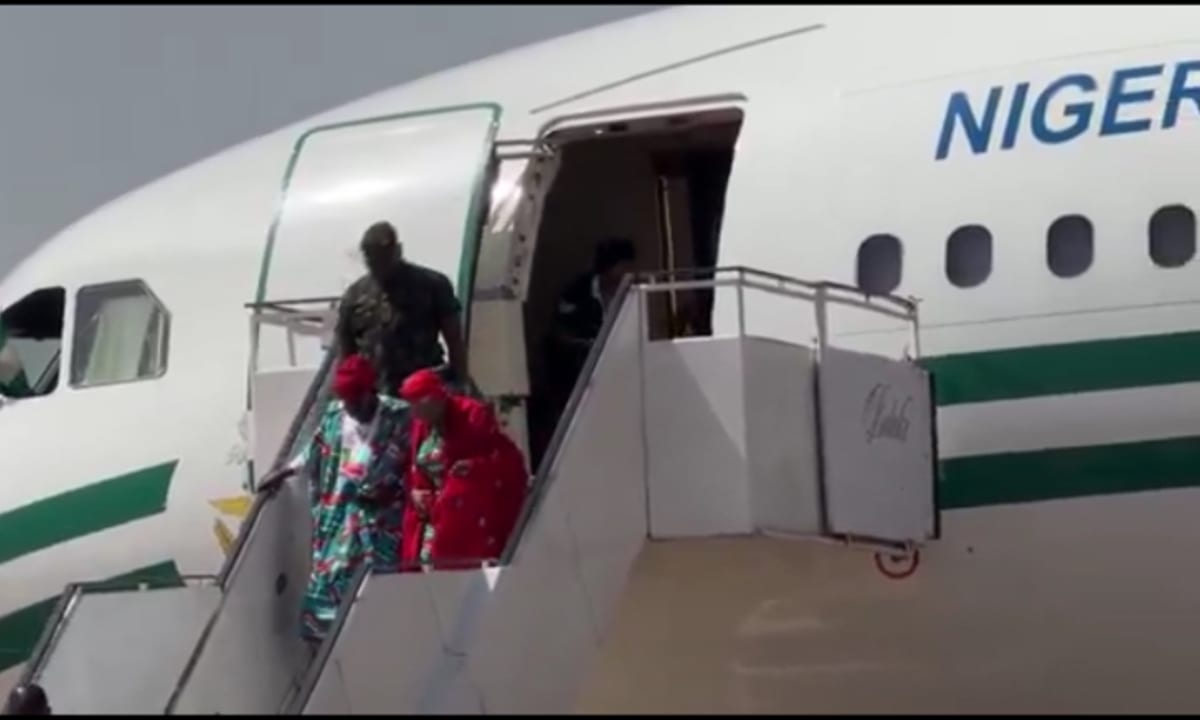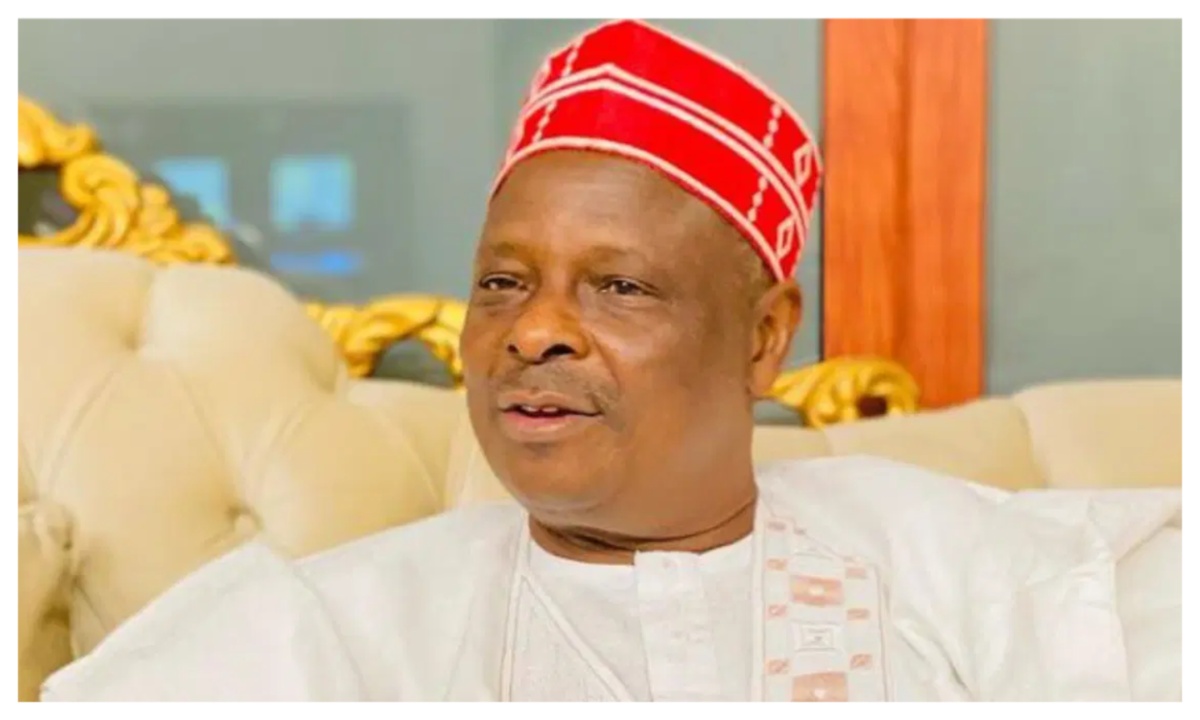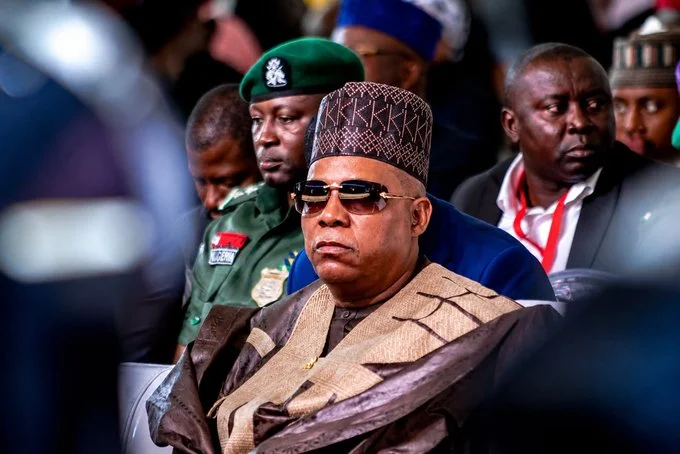
Vice President Kashim Shettima on Thursday departed Abuja for the Republic of Benin on a working visit aimed at exploring strategies to revive Nigeria’s textile industry.
According to a statement by the Vice President’s Senior Special Assistant on Media and Communications, Stanley Nkwocha, Shettima is leading a delegation comprising six state governors and senior government officials to study the Glo-Djigbé Industrial Zone (GDIZ), a major agro-industrial hub near Cotonou.
The delegation is expected to engage with officials of the Beninese government, investors and private-sector operators managing the 1,640-hectare industrial zone, which integrates cotton spinning, weaving, fabric processing and garment manufacturing into a single value chain.
The governors accompanying the Vice President are Hope Uzodimma (Imo), Dauda Lawal (Zamfara), Caleb Mutfwang (Plateau), AbdulRahman AbdulRazaq (Kwara), Dikko Radda (Katsina) and Umar Namadi (Jigawa).
Nkwocha said the visit is intended to strengthen the implementation of Nigeria’s Special Agro-Industrial Processing Zones (SAPZ) Programme and assess how the GDIZ model can be adapted to support agro-industrial development and garment manufacturing in Nigeria.
He noted that the African Development Bank is already supporting plans to establish a garment training centre under the SAPZ programme in Ogun State.
The presidential aide said the visit comes as the Federal Government seeks to revive Nigeria’s textile sector, which has suffered years of factory closures, weak local processing and competition from imported fabrics despite its economic potential.
According to the National Bureau of Statistics, Nigeria’s textile, apparel and footwear industry was valued at about ₦8.15 trillion in 2024 and recorded ₦2.45 trillion in nominal output during the first quarter of 2025.
Nkwocha added that the delegation will examine ways to strengthen links across Nigeria’s cotton value chain—from farmers and ginneries to textile manufacturers, fashion businesses and export markets—while exploring opportunities for technology transfer, industrial training, improved infrastructure, reliable energy supply and stronger public-private partnerships.
He said the visit aligns with President Bola Tinubu’s Renewed Hope Agenda, which prioritises industrialisation, economic diversification, agricultural transformation, job creation and the expansion of non-oil exports.