The Nigerian Communications Commission has recorded more than 5,000 fibre-optic cable cuts across the country in the first half of 2026, with road construction and other civil engineering activities identified as major causes.
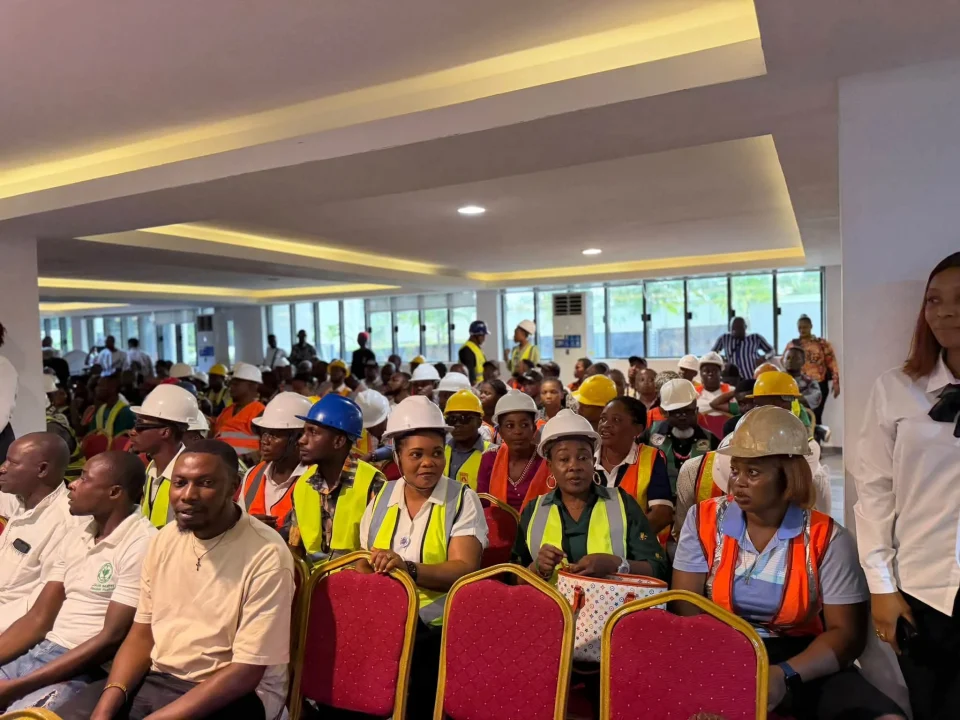
NCC Executive Vice Chairman, Dr Aminu Maida, disclosed this on Tuesday in Abuja at a stakeholder workshop on protecting fibre-optic cables during road construction, rehabilitation and other civil works.
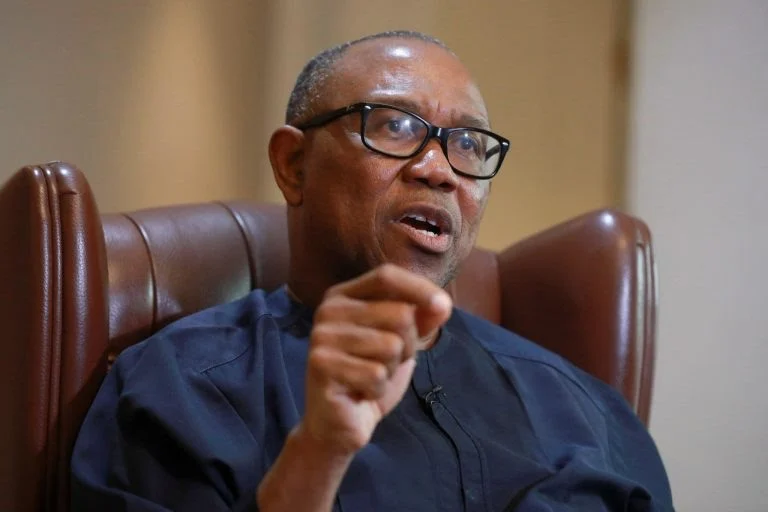
Maida attributed the frequent incidents largely to poor coordination among construction companies, government agencies and telecommunications operators before excavation work begins. He said the situation required a shift from repairing damaged cables to preventing cuts through early planning and information sharing.
“Before the first shovel hit the ground, there was frequently minimal or no coordination,” Maida said, stressing that roads and fibre networks were both critical infrastructure and that the development of one should not undermine the other.
He said fibre infrastructure supports essential sectors, including banking, healthcare, education, government services, commerce, security and emergency communications. He recalled that fibre cuts in February 2024 caused a near nationwide disruption for one telecommunications operator, leaving millions of subscribers without calls, messages and internet access for several hours.
“A damaged fibre cable is not merely an expense for an operator; it represents a cost to Nigerians and the larger economy,” Maida said.
He disclosed that the Federal Government had established a Standing Committee on the Protection of Fibre Optic Cables, comprising the Federal Ministry of Works and the Federal Ministry of Communications, Innovation and Digital Economy, to improve coordination before, during and after construction projects.
Maida urged telecom operators to provide accurate information on cable routes, while contractors were advised to verify the location of underground infrastructure before excavation. Government agencies, he added, should facilitate timely information sharing.
The Permanent Secretary of the Federal Ministry of Communications, Innovation and Digital Economy, Nadungu Gagare, represented by the Director of Telecoms and Postal Services, Stanley Musa, described the protection of fibre infrastructure as a shared national responsibility. He warned that repeated cable damage could undermine broadband expansion, disrupt essential services, increase operational costs and discourage investment.
Gagare said the government was also working to improve compliance with right-of-way regulations and had initiated plans for shared infrastructure standards, including a proposed “dig once” approach.
The Director of Critical National Assets and Infrastructure Protection at the Office of the National Security Adviser, Air Vice Marshal Effiom Enebong Ewa, said fibre-optic infrastructure had been designated as Critical National Information Infrastructure. He warned that negligence or interference that puts such assets at risk could constitute an offence under Nigerian law.
The workshop brought together government agencies, telecom operators, construction companies, contractors, security agencies and other stakeholders to examine the causes of fibre cuts and develop measures to prevent further damage.