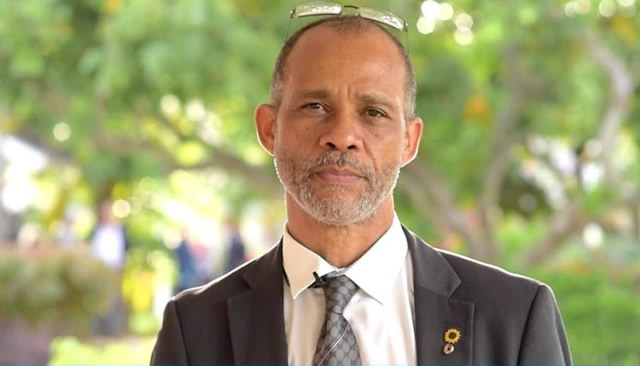
Lagos State’s public hospitals have recorded a sharp rise in patient attendance, with outpatient visits doubling over the past six months amid a shortage of healthcare workers linked partly to brain drain, the state Commissioner for Health, Prof. Akin Abayomi, has said.
Speaking in an interview with ARISE NEWS on Friday, Abayomi said the surge had placed significant pressure on doctors and other healthcare professionals across the state’s public health facilities.
“In the last six months, our outpatient patronage has doubled in our public health facilities,” he said, adding that some facilities were seeing thousands of patients daily.
Abayomi attributed the increase partly to the rising cost of healthcare, which he said had reduced residents’ ability to afford private medical services. He said some patients were consequently moving from private hospitals to public facilities, while others were turning to informal providers such as pharmacists and medicine hawkers.
The commissioner said the influx was compounding the pressure on a workforce already affected by the migration of medical professionals. “Our doctors and our healthcare professionals are under a lot of stress,” he said, citing the combined impact of brain drain and rising patient numbers.
To ease pressure on government-funded hospitals and improve healthcare financing, Abayomi said Lagos would soon begin enforcing compulsory health insurance. He said the state had domesticated the National Health Insurance Authority Act through an executive order in July 2024, making health insurance compulsory for people living and working in Lagos.
He said the government was restructuring the state’s health insurance system, increasing public awareness and working to ensure that every resident has access to a basic social health insurance package. Private insurance providers would also be incorporated into the system, he said.
According to Abayomi, stronger health insurance coverage could help address brain drain by increasing residents’ purchasing power for healthcare and directing more funds into the health sector. He said improved financing would enable providers to expand services and improve their ability to retain and attract healthcare workers.
The commissioner also defended government investment in public healthcare, saying the state heavily subsidises its hospitals and employs about 20,000 healthcare workers. He said charges at public facilities were generally less than half those of private hospitals, while the government covered expenses including infrastructure, equipment, training, power and administrative costs. He also said the health sector was achieving more than 90 percent budget implementation.
On complaints about payment systems and reports of patients being asked to provide cash before treatment, Abayomi said Lagos had outsourced payment gateways to private operators. He said payment collectors now operate across the state’s public hospitals to handle charges separately from clinical services.