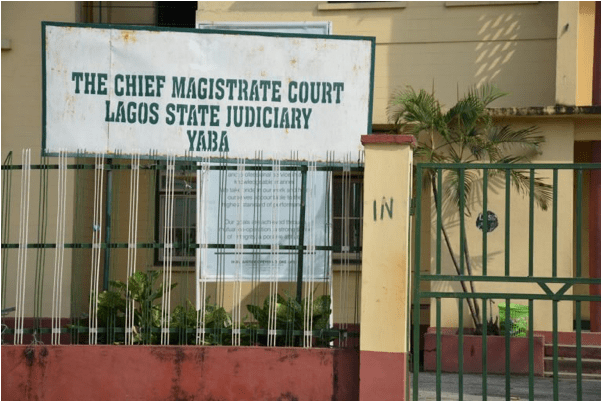
A legal practitioner and National Convener of Citizens Support for Lower Courts, Bayo Akinlade, has decried the welfare conditions of retired Lagos State magistrates, revealing that some receive monthly pensions as low as N23,000 after over two decades of service.
In a recent public statement, Akinlade noted that approximately 23 magistrates have retired from the Lagos State Magistracy since 2013, with additional departures expected before the close of 2026. Each of these judicial officers spent a minimum of 22 years administering justice across the state.
Akinlade highlighted the massive caseload managed by these officials during their careers, estimating that collectively they presided over more than 60,000 cases involving billions of naira, as well as thousands of criminal convictions and fines.
Despite their extensive service to a population exceeding 18 million residents, many of these retired magistrates now struggle to meet basic needs such as housing, healthcare, and family upkeep, with some reduced to financial dependency.
According to Akinlade, magistrates who retired on Grade Levels 16 and 17 are excluded from the robust retirement benefits and privileges enjoyed by high-ranking officials in other arms of government. He further noted that serving magistrates lack basic health insurance coverage, compounding their vulnerabilities upon retirement.
Under the state’s Contributory Pension Scheme, individual retirement plans have left certain former magistrates with monthly payouts as low as N23,000, while others have reportedly endured delays of up to two years post-retirement before receiving any pension funds.
The revelations coincide with the ongoing review of the Lagos State Magistrates Courts Law. Akinlade has urged the state government and the Nigerian Bar Association (NBA) to leverage the legislative process to secure better financial safety nets, healthcare, and compassionate support for aging jurists.
“They served Lagos State; it’s time Lagos State acknowledge that service and protect them in their most vulnerable moments,” Akinlade stated, emphasizing the urgent need to reform the legal framework to safeguard current and future retirees.