The Senate has passed the Agricultural Revolution Bill 2026 for second reading, following an initial setback over the distribution of copies to lawmakers.
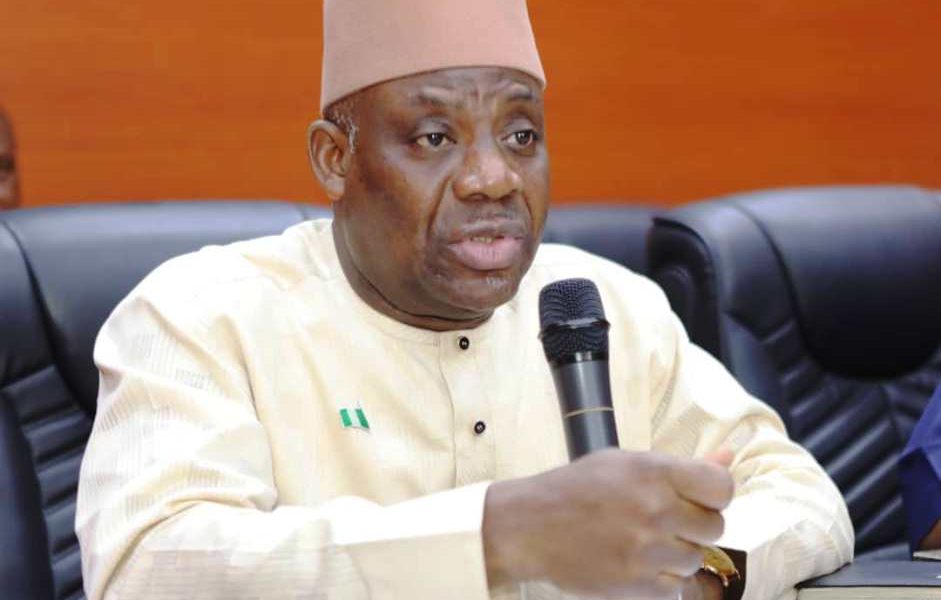
The bill, sponsored by Deputy Senate President Barau Jibrin and listed as SB 1082, was moved for second reading by the Kano North senator during Wednesday’s plenary.
Barau explained that the bill was stepped down on Tuesday after some senators complained that they had not received copies of the proposed legislation. He said the documents were distributed immediately after the sitting.
The proposed legislation seeks to establish a comprehensive legal framework for transforming Nigeria’s agricultural sector through improved food production, mechanisation, irrigation, financing, agro-industrialisation and climate-resilient farming.
Presenting the bill, Barau said agriculture, once a major driver of Nigeria’s economy, had declined over the years, stressing the need for a new framework to boost productivity and reduce dependence on food imports.
He recalled that Nigeria experienced significant agricultural and industrial growth between the 1950s and early 1980s, when industries in Lagos, Port Harcourt and Kano relied heavily on locally produced cotton, groundnuts, cocoa, palm oil and rubber.
The Deputy Senate President also cited the Green Revolution Programme introduced by former President Shehu Shagari, arguing that its lack of legal backing made it vulnerable to abandonment.
Contributing to the debate, Senator Mohammed Monguno of Borno North said agriculture remained central to economic diversification, accounting for about 40 per cent of Nigeria’s Gross Domestic Product and employing approximately 70 per cent of the population.
He, however, lamented that budgetary allocations to the sector remained below three per cent, far short of the 10 per cent target under the Maputo Declaration.
Senator Babangida Hussaini of Jigawa North-West called for sustainable agricultural financing, while Senator Anthony Ani of Ebonyi South described the bill as comprehensive, noting its provisions for research, mechanisation, irrigation and support for farmers, women and youths.
Following the debate, Senate President Godswill Akpabio referred the bill to the Committees on Agricultural Production, Services and Rural Development, and Agricultural Colleges and Institutions for further consideration. The committees are expected to report back within four weeks.