The Federal Government has unveiled plans to tighten regulations in Nigeria’s scrap metal industry to curb the illegal trade in stolen metals and the vandalism of critical infrastructure, including electricity cables, railway components and manhole covers.
The proposed Scrap Metal (Collection, Trading, Recycling and Regulation) Regulations, 2026, will introduce mandatory licensing for operators, verification of scrap metal sources and proper documentation of transactions to prevent stolen materials from entering the recycling market.
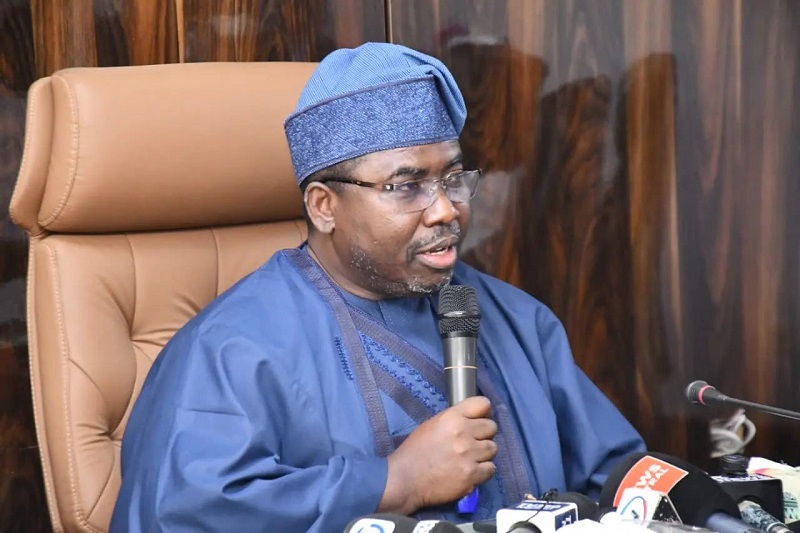
The Minister of Steel Development, Shuaibu Audu, disclosed this in a statement issued by the ministry’s Head of Press and Public Relations, Maureen Tine-Iulun, on Tuesday.
Audu, represented by the Director of the Metallurgical Raw Material Development and Investment Promotion Department, Ime Eprikpo, spoke at a two-day stakeholders’ engagement on the validation of the proposed regulations in Lagos.
He said poorly regulated activities in the sector had encouraged the theft and vandalism of public and private infrastructure, causing economic losses, disruption of essential services and increased maintenance costs.
The minister, however, stressed that the government would not introduce measures that undermine the livelihoods of thousands of Nigerians involved in legitimate scrap metal collection and trading.
“Our objective is not to suppress legitimate commercial activity. Rather, it is to establish a system in which lawful businesses can operate with greater clarity and confidence, while activities involving stolen materials, unsafe practices or environmental harm are addressed through appropriate regulatory and legal measures,” he said.
According to Audu, the proposed framework will establish a licensing and monitoring system for operators, regulate collection and aggregation centres, improve transaction traceability and strengthen environmental protection and occupational safety standards.
He added that small-scale collectors and traders would be given the opportunity to formalise their businesses through requirements tailored to the size and risks of their operations, while larger recycling and processing facilities would face appropriate licensing and safety standards.
The Permanent Secretary of the ministry, Nura Abba Rimi, represented by the Director of the Metallurgical Inspectorate and Environmental Protection Department, Christopher Wanje, said effective regulation of the sector was essential to developing a competitive domestic steel industry.
He maintained that the regulations were intended to protect infrastructure, discourage the illegal trade in stolen metals and ensure a reliable supply of locally sourced raw materials for manufacturers.
Also speaking, the National President of the National Association of Scrap and Waste Dealers Employers of Nigeria, Ogbu Luke Uchechukwu, described the validation exercise as an important step towards building an organised and economically viable scrap metal industry.
The ministry said contributions from stakeholders would be considered before the regulations are finalised, with further collaboration planned with relevant institutions and security agencies to strengthen enforcement and public awareness.