The Edo State Government is stepping up efforts to attract private investment into its electricity market, with plans to expand power generation, improve distribution and increase access to reliable electricity across the state.
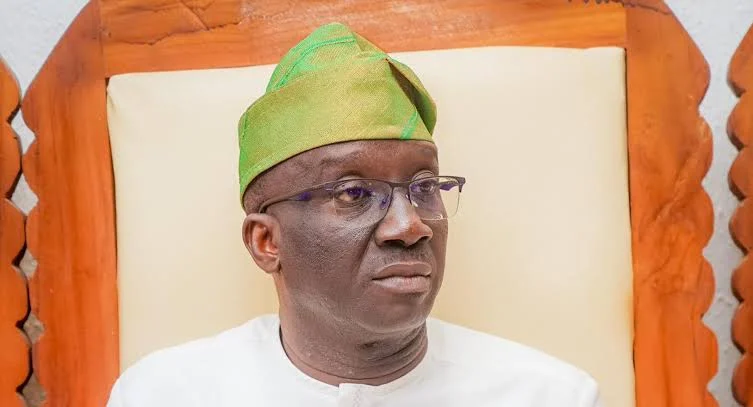
The Commissioner for Power, Paul Usenbo, disclosed this in a statement on Tuesday, saying regulatory reforms, independent power projects and strategic partnerships were expected to strengthen the state’s position in the power sector.
Usenbo said the electricity sector had undergone significant policy and institutional reforms under Governor Monday Okpebholo, who marks his second anniversary in office on Thursday.
He identified the state’s acquisition of a 10 per cent equity stake in a proposed 100-megawatt power plant in Ologbo, negotiated with CCETC and First Bank, as a major development. The investment is expected to generate revenue for the state, create jobs and support electricity supply to businesses and industries.
The Ologbo project also includes a proposed 300-tonne-per-day liquefied natural gas facility, which had its groundbreaking ceremony performed by Okpebholo in February 2026.
The commissioner added that the government was pursuing a proposed 200-megawatt independent power project in Edo North, alongside distributed generation and renewable energy investments to improve electricity access across the state’s three senatorial districts.
On regulatory reforms, Usenbo said the Edo State Electricity Law 2024, signed by Okpebholo in February 2025, had established the framework for private-sector participation in electricity generation, transmission and distribution.
He said the establishment of the Edo State Electricity Regulatory Commission (ESERC), following the state’s transition from federal regulation by the Nigerian Electricity Regulatory Commission, had strengthened its capacity to oversee the electricity market.
According to him, 12 companies have received generation and distribution licences, while BEDC Electricity Edo Limited has been granted a six-month provisional operating licence, subject to regulatory requirements on transparency, accountability, compliance and consumer protection.
On metering, Usenbo said more than 30,000 meters had been deployed, while over 38,000 were allocated to the state under the first phase of the free metering initiative. He added that plans were underway to establish a meter assembly facility through a private-sector partnership and introduce a debulking programme to move communities from bulk billing to individual customer accounts.
The success of the reforms, however, will depend on the completion of the proposed projects and their ability to translate into increased generation, improved distribution and more reliable electricity for households and businesses.