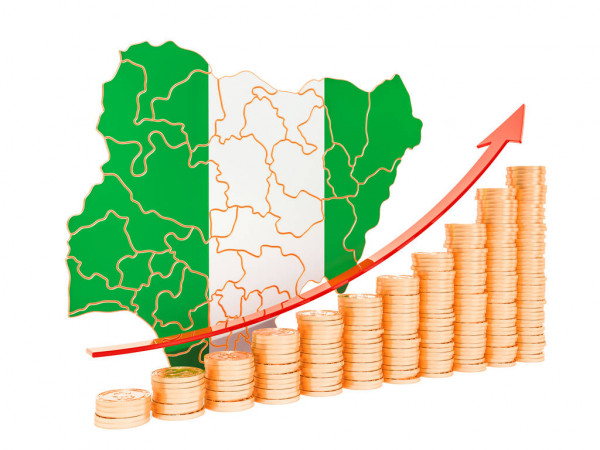
Capital expenditure by 26 state governments fell sharply by N2.20tn in the first quarter of 2026, raising concerns over slowing infrastructure development and mounting fiscal pressures ahead of the 2027 general elections.
An analysis of quarterly financial reports published by the states showed that total capital spending dropped from N3.79tn in the fourth quarter of 2025 to N1.59tn in the first quarter of 2026, representing a decline of 58.1 per cent.
The reports, obtained from official state government websites, indicated that most states reduced spending on roads, schools, hospitals, housing, water and other public infrastructure projects, while political activities and election alignments intensified across the country.
Out of the 36 states, only 26 had published their first-quarter financial reports as of the time of filing. Lagos State remained the highest spender on capital projects despite recording a decline from N535.46bn to N340.76bn.
Oyo State emerged as the only major state to increase capital expenditure during the period, rising from N105.35bn to N231.27bn, a 119.5 per cent increase. The state also recorded the highest borrowing figure at N164.88bn.
Several states posted steep declines in spending. Bayelsa State reduced capital expenditure by 79.9 per cent, while Enugu State recorded one of the sharpest drops, falling by 91.4 per cent. Akwa Ibom State also cut spending by 67.9 per cent.
The analysis further showed that 13 of the 26 reporting states borrowed a combined N361.98bn within the quarter despite reduced infrastructure spending. Other states with significant borrowings included c
Economic analysts linked the decline partly to fiscal pressures, rising debt obligations and the lengthy procurement processes associated with capital projects.
A Professor of Economics at Babcock University, Segun Ajibola, said the persistent problem of high governance costs and weak accountability continued to limit the economic benefits of public spending.
Chief Executive Officer of the Centre for the Promotion of Private Enterprise, Muda Yusuf, explained that capital expenditure usually gathers momentum in the second and third quarters after procurement and contracting processes are completed.
Financial experts also warned that rising debt accumulation without corresponding revenue growth could worsen fiscal sustainability challenges for many state governments in the coming years.