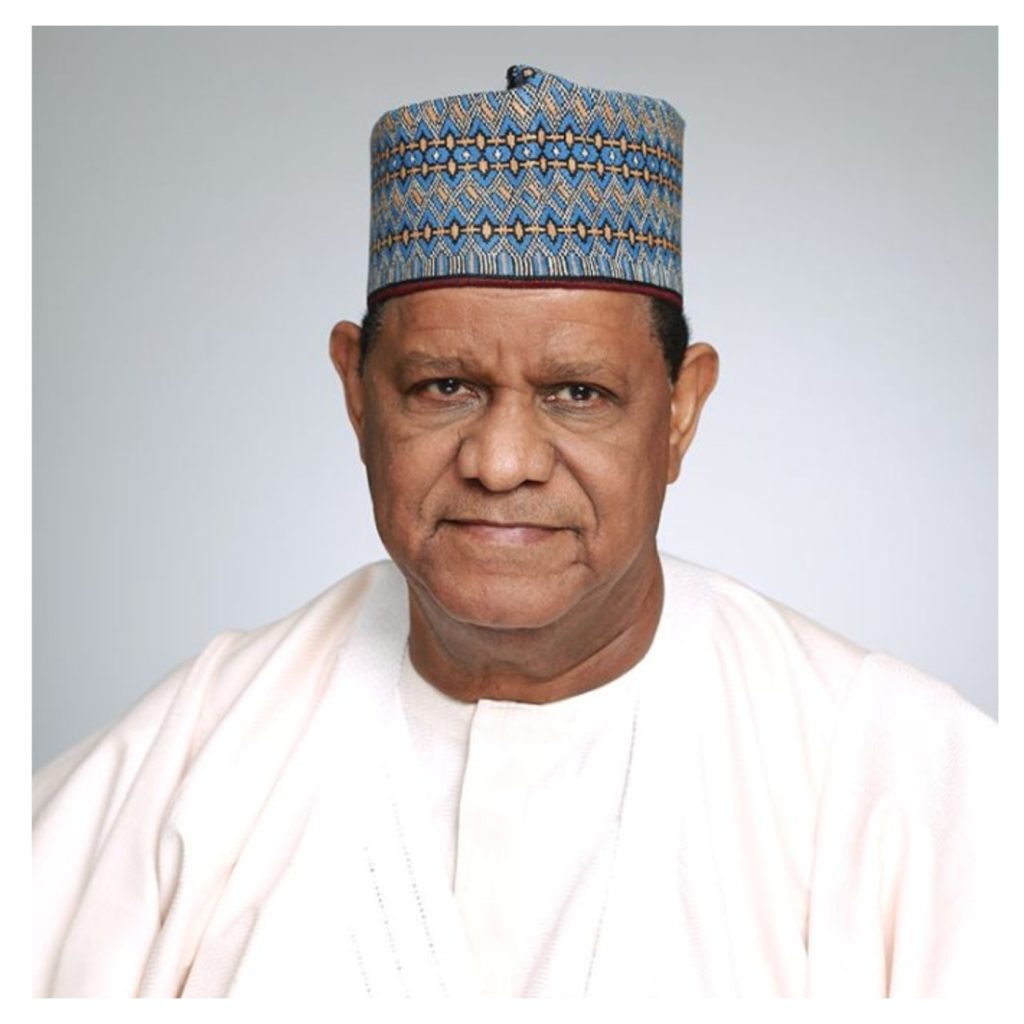
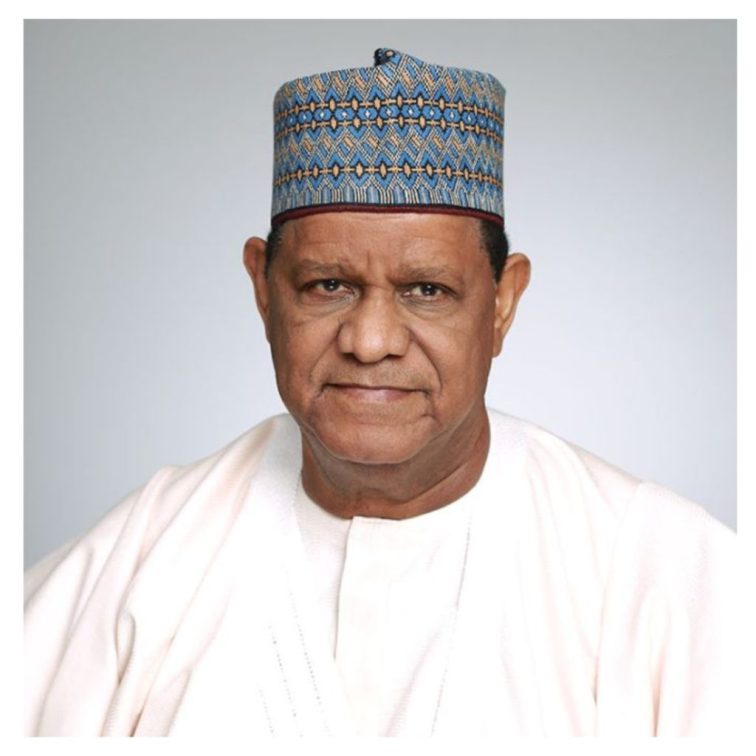
Former African Democratic Congress (ADC) presidential aspirant, Mohammed Hayatu-Deen, has expressed concern over Nigeria’s worsening security situation following the death of retired Major General Rabe Abubakar while in the custody of his abductors.
In a statement issued on Monday, Hayatu-Deen described the incident as part of a broader security crisis confronting the country. He noted that 27 days after the abduction of schoolchildren and teachers in Oriire, Oyo State, the victims remain in captivity.
He also referenced recent attacks across the country, including the killing of a vice principal, a six-year-old child and another resident during a WAEC examination in Kogi State, terrorist attacks in Borno State, and the deaths of security personnel in Kaduna State.
While mourning General Abubakar, fallen members of the armed forces and other victims of terrorism and banditry, Hayatu-Deen said condolences alone were no longer enough. He pointed to Nigeria’s ranking on the Global Terrorism Index and reports of rising terrorism-related deaths as evidence of the growing threat.
“This is not a partisan statement. I have no interest in scoring political points off the graves of our soldiers or the suffering of our children. I speak as a concerned private citizen,” he said.
Hayatu-Deen argued that insecurity is closely linked to economic hardship, citing poverty, unemployment and rising living costs as factors fueling criminal recruitment. He urged governments at all levels to strengthen social welfare programmes, support struggling businesses and farmers, and expand safety nets for vulnerable communities.
He also welcomed the House of Representatives’ approval of a constitutional amendment on state policing and called on the Senate to expedite its consideration. In addition, he advocated stronger community policing, improved intelligence gathering, enhanced regional security cooperation and increased support for the military through recruitment, welfare improvements, training and modern equipment.
Hayatu-Deen concluded by calling for a “whole-of-society” approach to tackling insecurity and poverty, stressing that collective action is essential to restoring peace and stability.