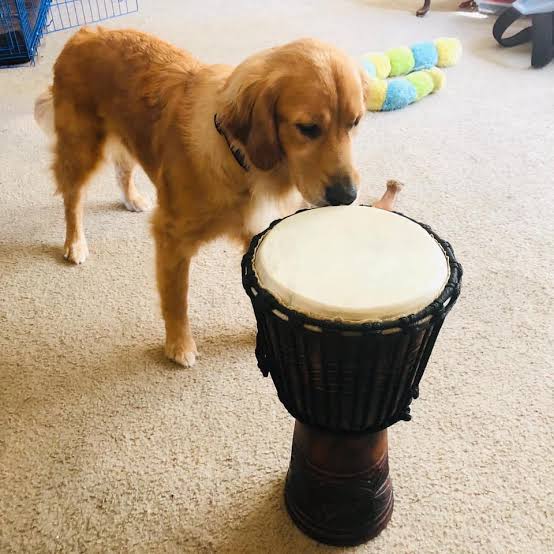
In many cultures, the rhythmic beating of drums stirs celebration, dance, and communal joy. Likewise, dogs are widely regarded as loyal companions and household pets. But in Agbaji, a quiet Muslim settlement in Ilorin East Local Government Area, both practices are strictly forbidden.
For generations, the people of Agbaji have upheld two unusual taboos: the rearing or presence of dogs and the beating of drums for any reason. These prohibitions are not merely preferences but deeply rooted traditions that define the identity and spiritual ethos of the community.
Agbaji comprises 11 closely knit communities: Manjo, Maiye, Opeloyeru, Singinni, Agoro, Kejebu, Adara, Babasare, Aburo, Imam, and Saura, with an estimated 250 houses. The settlement is accessible through two gates: one near Oke-Kura Custodial Centre, freshly painted in green and white, and another facing Ajikobi Road, which bears signs of age and neglect. Despite modest infrastructure and a population largely made up of low- and middle-income earners, Agbaji possesses a cultural wealth that residents proudly preserve.
Community members told ROYAL NEWS MAGAZINE that, to their knowledge, no dog has ever been seen within Agbaji. This absence is a badge of honour for many residents.
AbdulRahman Agoro, an Islamic scholar and indigene of Agbaji who now resides in Kaduna, expressed deep pride in the custom.
“I feel very proud to be a son of this community. Even in Kaduna, people respect me when they hear about Agbaji’s tradition. The unity among the 11 compounds is so strong that you can hardly tell them apart. It is a privilege to belong here,” he said.
Similarly, Na’Allah Abdulmumin, a lecturer at Kwara State Polytechnic, praised the long-standing practice. According to him, the ban on drumming contributes to the remarkable calm and serenity that characterize daily life in the settlement. Social events, he noted, are conducted without music, reinforcing a culture of quiet reflection.
The 29-year-old lecturer admitted he does not know the precise origin of the tradition but understands that it was inherited from the community’s forebears and faithfully transmitted across generations.
“I am proud to be from Agbaji. The tradition is unique and meaningful. Our programmes run smoothly without noise. I don’t even like dogs. When people ask me about our taboos, I explain that our forefathers neither kept dogs nor beat drums. The founders were mallams, and they avoided anything that could compromise their faith,” he said.
For residents, these taboos are not seen as limitations but as symbols of discipline, religious devotion, and communal identity. In Agbaji, silence is not emptiness. It is heritage.
Dr. Arowona Abdulazeez is writes ia sardauna2@gmail.com.