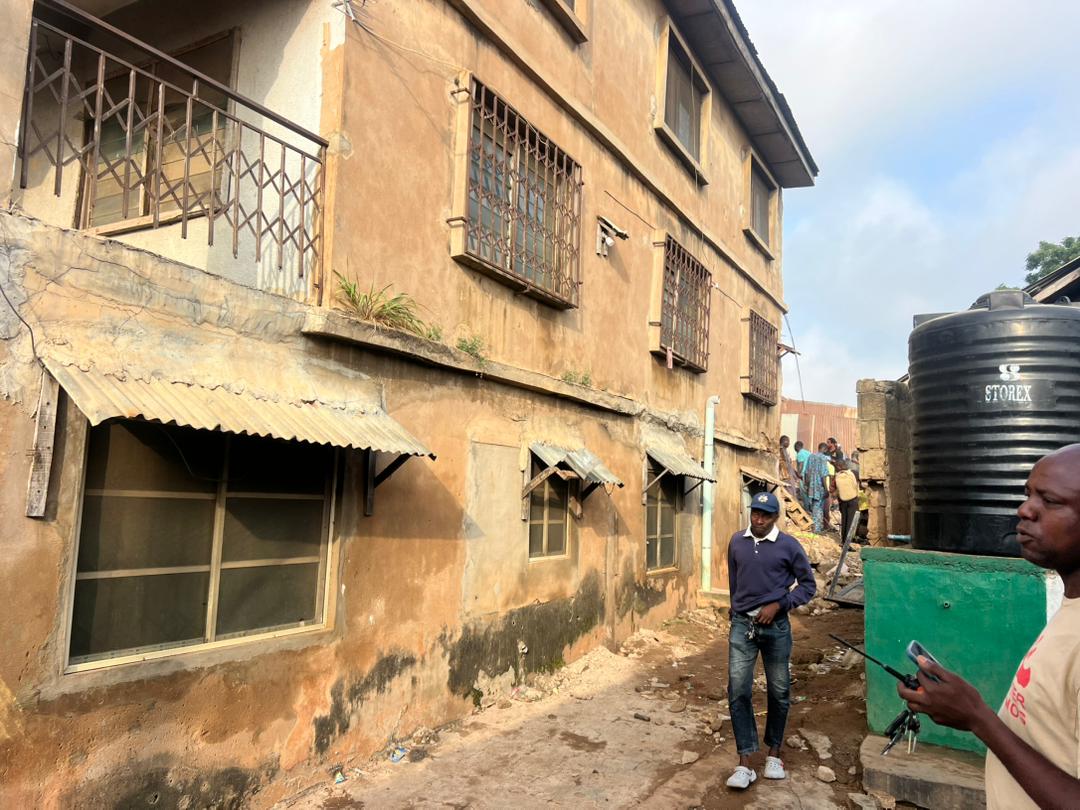
The Lagos State Government has acknowledged that human activities disrupting natural ecosystems are a major factor behind recurring flooding across the state.
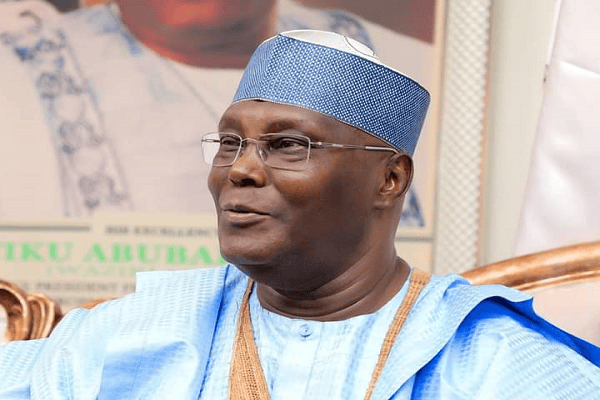
The Commissioner for Environment and Water Resources, Tokunbo Wahab, made the disclosure on Wednesday during a strategic meeting with a disaster risk management team from the World Bank in Alausa.
Wahab said although Lagos is naturally prone to flooding as a coastal city, practices such as building on floodplains, blocking drainage channels and destroying mangroves have significantly worsened the situation.
According to him, about 25 percent of the state’s landmass is covered by water, while its southern boundary stretches roughly 486 kilometres along the Atlantic Ocean—geographical factors that already expose the state to flash flooding.
He explained that mangroves and wetlands serve as natural barriers against flooding, but increasing encroachment and environmental degradation have weakened these protective systems.
Wahab said the government issues early warning alerts at the beginning of each year to inform residents about environmental risks such as heavy rainfall, sea-level rise and flooding. He added that further advisories would be released once rainfall forecasts from the Nigerian Meteorological Agency become available later this month.
He noted that despite continuous investment in drainage infrastructure, dredging and the cleaning of primary, secondary and tertiary channels, flooding cannot be completely eliminated.
According to the commissioner, heavy rainfall can trigger a “tidal lock,” a situation where stormwater cannot discharge into the lagoon or sea, regardless of the drainage infrastructure in place.
Wahab added that the government has intensified enforcement of environmental laws to curb practices that worsen flooding, including improper waste disposal. He said the state’s decision to ban single-use plastics was partly driven by the need to prevent plastic waste from blocking drainage channels.
Also speaking at the meeting, the Commissioner for Economic Planning and Budget, Mosope George, said collaboration with the World Bank aims to identify high-risk areas and strengthen disaster response mechanisms.
Earlier, the World Bank’s Senior Disaster Management Specialist, Francis Nkonka, said the engagement was designed to assess gaps in Lagos State’s emergency preparedness, noting that the organisation plans to provide technical and investment support to improve disaster risk management and response systems.