Worsening insecurity across parts of northern Nigeria is forcing many schools to shut down or operate below capacity, as parents keep children at home amid fears of attacks and abductions.
The crisis has persisted for more than a decade, drawing global attention after Boko Haram abducted 276 schoolgirls from Government Girls Secondary School Chibok in April 2014. Subsequent incidents—including the 2018 abduction of 112 girls in Dapchi and mass kidnappings in Kankara and Jangebe between 2020 and 2021—deepened concerns about school safety across the region.
According to Amnesty International, at least 15 mass abductions of schoolchildren have occurred in northern Nigeria since 2014. Save the Children estimates that 1,683 learners were abducted between 2014 and 2022, while research linked to UNICEF recorded about 1,436 schoolchildren and 17 teachers abducted between December 2020 and December 2021 alone.
In Papiri, schools serving more than 50 communities remain largely unused after the November 2025 abduction of over 300 students and staff, despite their eventual rescue. Parents say fear persists, with some relocating their children elsewhere to continue their education.
Similar concerns have been reported in Borgu Local Government Area, where some parents withdrew children from schools following threats from armed groups warning against Western education. In Kankara and Batsari, repeated abductions have also disrupted schooling, while attendance remains low in Maga after a November 2025 kidnapping incident that left one vice principal dead.
Education experts say the psychological impact on students has been severe. Teachers report anxiety, withdrawal and learning difficulties among affected pupils, while insecurity has discouraged many educators from accepting postings to high-risk areas, worsening staff shortages.
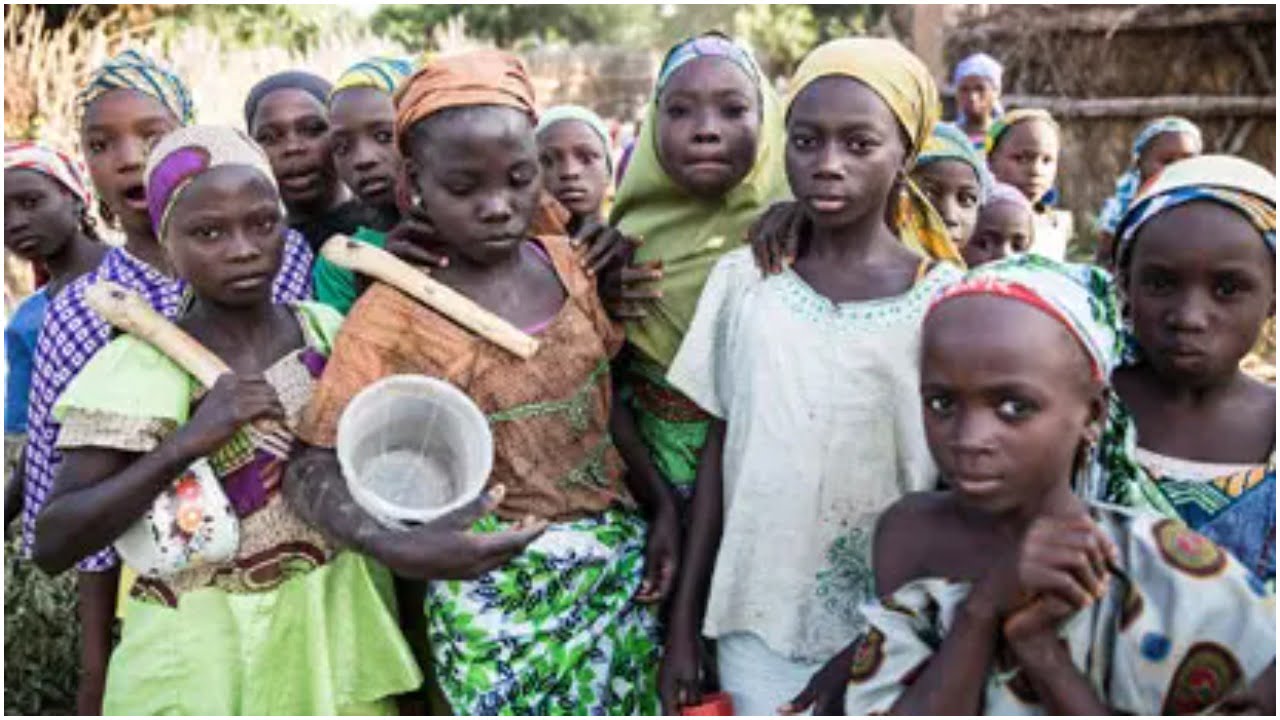
Girls have been disproportionately affected. UNICEF estimates that about 10.5 million primary-school-age children are out of school nationwide, with roughly 60 percent of them girls—mostly in northern states where insecurity remains highest.
To address learning gaps, organizations including UNICEF and Save the Children have introduced temporary learning centres, psychosocial support programmes and teacher training in trauma-informed education. However, coverage remains limited, and many families continue to prioritise safety over formal schooling.
Authorities have increased patrols and introduced phased school reopenings in some affected communities, but parents say sustained security presence is needed to restore confidence.
Education stakeholders warn that prolonged disruption risks creating a “lost generation” of learners if urgent and coordinated action is not taken to secure schools and rebuild trust among communities.