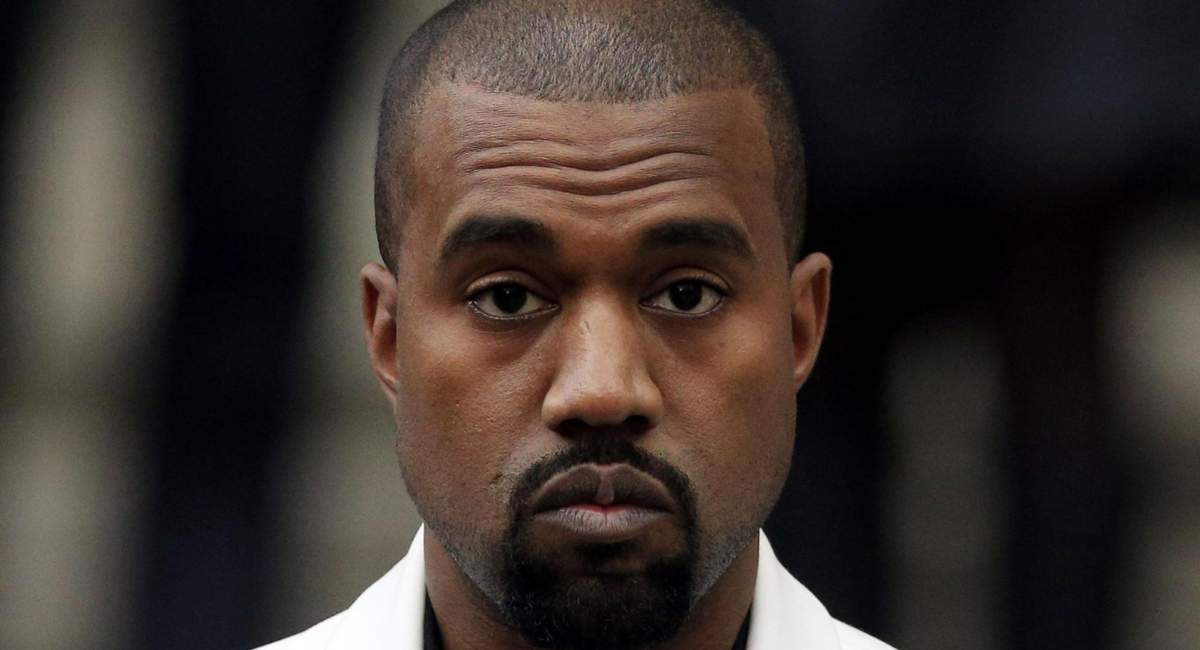
American rapper Kanye West, known professionally as Ye, has responded to criticism over his scheduled headline performance at London’s Wireless Festival from July 10 to 12, 2026.
The controversy emerged after the festival announced West would headline all three nights at Finsbury Park, triggering backlash over his past antisemitic remarks. UK Prime Minister Keir Starmer called the booking “deeply concerning,” citing West’s previous comments and public references to Nazism.
Several festival sponsors, including Rockstar Energy, Pepsi, and Diageo, have withdrawn support in response to the controversy.
In a statement on Tuesday, West said he intends to “come to London and present a show of change, bringing unity, peace, and love through music.” He also expressed willingness to meet with the UK Jewish community. “I would be grateful for the opportunity to meet… to listen. I know words aren’t enough; I’ve had to show change through my actions,” he said.
Wireless Festival Managing Director Melvin Benn defended retaining West as a performer, emphasizing that the festival is focused solely on music. “We are not giving him a platform to extol opinions of whatever nature, only to perform the songs currently played on radio stations,” Benn said, noting the importance of forgiveness and second chances.
The UK Jewish community has set conditions for engagement. Phil Rosenberg, President of the Board of Deputies of British Jews, said meaningful dialogue would only be possible if West withdraws from the festival. “The Jewish community will want to see genuine remorse and change before believing that the appropriate place to test this sincerity is on the main stage,” he said.
UK Health Secretary Wes Streeting also criticised the festival, describing West’s invitation as “a terrible error of judgment” and highlighting the seriousness of antisemitism.
Festival organisers have maintained that West’s performance will be limited to his music and not his controversial views, a position they argue aligns with principles of second chances.
As pressure mounts from political leaders, sponsors, and the public, UK authorities are being urged to determine whether West should be allowed entry to perform.
The debate underscores the ongoing tension between artistic freedom and accountability for past offensive remarks, as organisers, communities, and government officials weigh the implications of the booking.