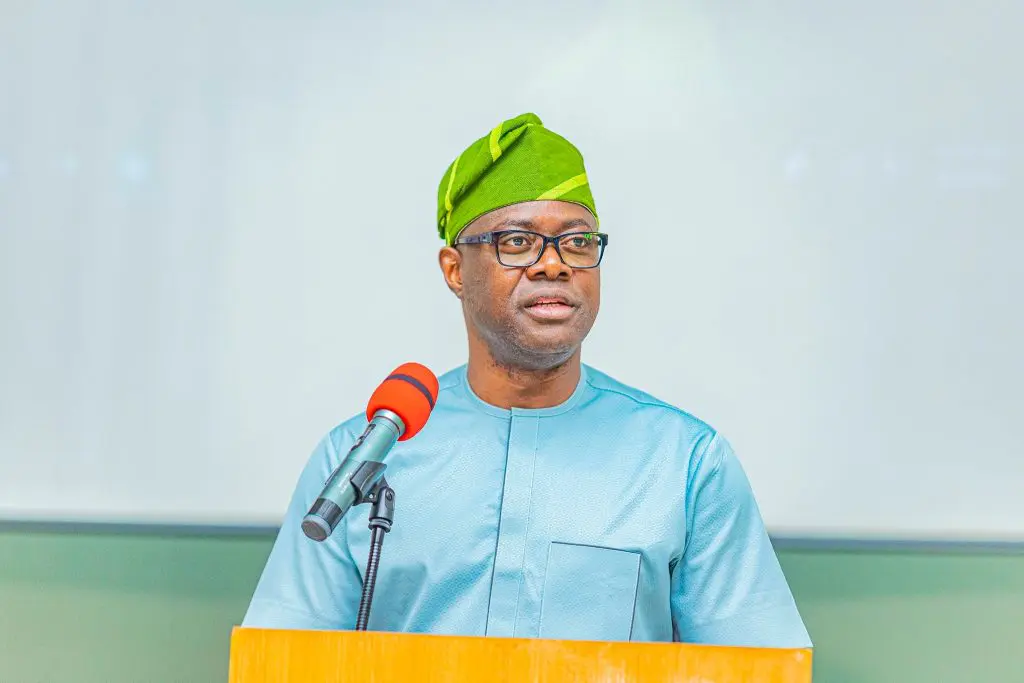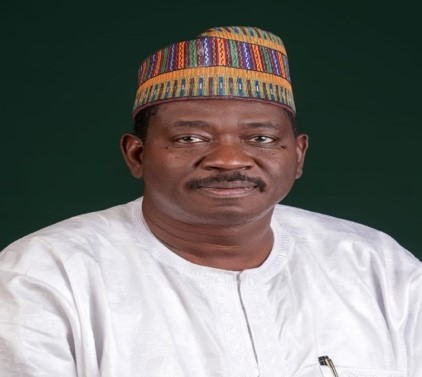
A leading food security scholar, Demo Kalla, has urged the Federal Government to shift its focus from food security to food sovereignty, arguing that reliable access to affordable and nutritious food is central to national stability.
Kalla, who is Director of the TETFund Centre of Excellence on Food Security at Abubakar Tafawa Balewa University, made the call while speaking at the Nigerian Institute of Public Relations (NIPR) Week 2026 in Kaduna, where stakeholders examined the link between food systems, governance and policy communication.
He described food security as a key test of governance, stressing that hunger often persists due to policy failures rather than natural limitations. According to him, effective leadership must ensure that no citizen is excluded from access to food.
Kalla called for reforms in agricultural education and greater integration of innovation, research and data-driven practices, saying long-term food system stability depends on technology adoption and institutional strengthening.
He also urged a rethink of Africa’s dominant narrative around food insecurity, climate change and poverty, arguing that these challenges are interconnected outcomes of political and economic systems that determine access to resources and opportunities.
Referencing the Food and Agriculture Organization (FAO), he outlined the four pillars of food security—availability, access, utilisation and stability—emphasising that food security means consistent access to adequate nutrition.
The expert warned that Nigeria can no longer rely heavily on food imports, citing global disruptions such as the COVID-19 pandemic, the Russia–Ukraine war and ongoing geopolitical tensions that have affected supply chains and increased production costs.
Kalla further noted that Nigeria is yet to meet the African Union target of allocating at least 10 per cent of national budgets to agriculture under the Comprehensive Africa Agriculture Development Programme.
He linked rising insecurity in rural areas to poverty and economic exclusion, warning that neglecting agriculture carries serious social and security implications.
Also speaking at the event, the Minister of Livestock Development, Idi Mukhtar Maiha, said the federal government is working to unlock the economic potential of livestock farming through structural reforms and value-chain development.
He said the creation of the new Ministry of Livestock Development reflects a shift toward integrating the sector into the formal economy, with plans to boost productivity, improve animal health systems and expand market access.
Maiha added that the government is targeting significant economic gains from livestock, including dairy, meat, eggs and leather production, while also addressing Nigeria’s low protein consumption levels.
Earlier, President of the Nigerian Institute of Public Relations, Ike Neliaku, announced plans to establish an Agriculture and Food Security Hub to strengthen communication, stakeholder engagement and policy advocacy in the sector.
The discussions at the forum underscored growing calls for stronger policy coordination and investment in agriculture as Nigeria continues to confront food supply challenges and rising living costs.