
Fresh divisions have emerged within the Nasarawa State chapter of the All Progressives Congress (APC) following Governor Abdullahi Sule’s endorsement of Senator Ahmed Aliyu Wadada as his preferred successor for the 2027 governorship race.
The endorsement, initially seen as a routine political move, has instead triggered dissent among key stakeholders, exposing cracks within the ruling party ahead of the next general elections.
Sule had publicly backed Wadada last week, describing him as a capable candidate aligned with the administration’s “Muje Maha” philosophy of inclusivity. However, critics argue the move was premature and lacked broad consultation.
Leading the opposition is former governor Umaru Tanko Al-Makura, who said he was not consulted before the endorsement and described the process as hasty. “This is an aberration… the party has not even released guidelines,” he said.
Responding, the governor defended his action, insisting it followed established political practice and was part of deliberate leadership, not imposition. He also justified presenting Wadada to President Bola Tinubu as necessary party engagement.
The development has further intensified competition within the APC, with former Inspector General of Police Abubakar Adamu declaring his intention to contest and dismissing the endorsement as non-binding.
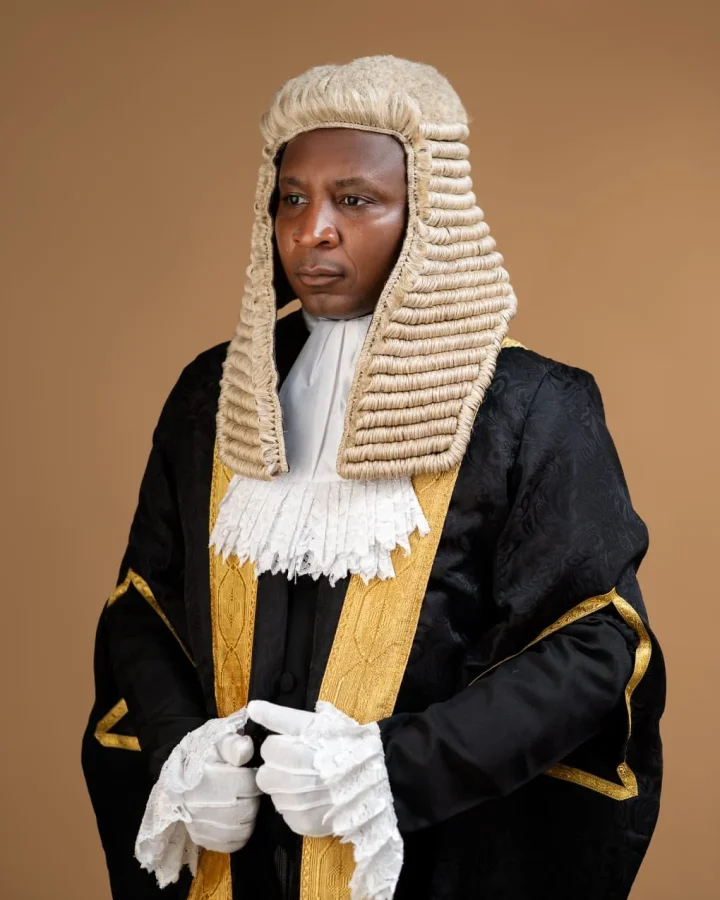
Despite the pushback, the Majority Caucus of the Nasarawa State House of Assembly, led by Speaker Danladi Jatau, has endorsed Wadada and urged other aspirants to support him in the interest of party unity.
Concerns have also been raised about Wadada’s readiness for office, with some analysts questioning his recent public engagements and approach to the race.
The controversy has reignited debates over zoning and power rotation in the state, with competing arguments on whether the governorship should remain in Nasarawa West or shift to other districts and federal constituencies yet to produce a governor.
Observers warn that unresolved disputes over process, zoning, and candidate selection could deepen divisions within the APC and affect its chances in the 2027 elections.