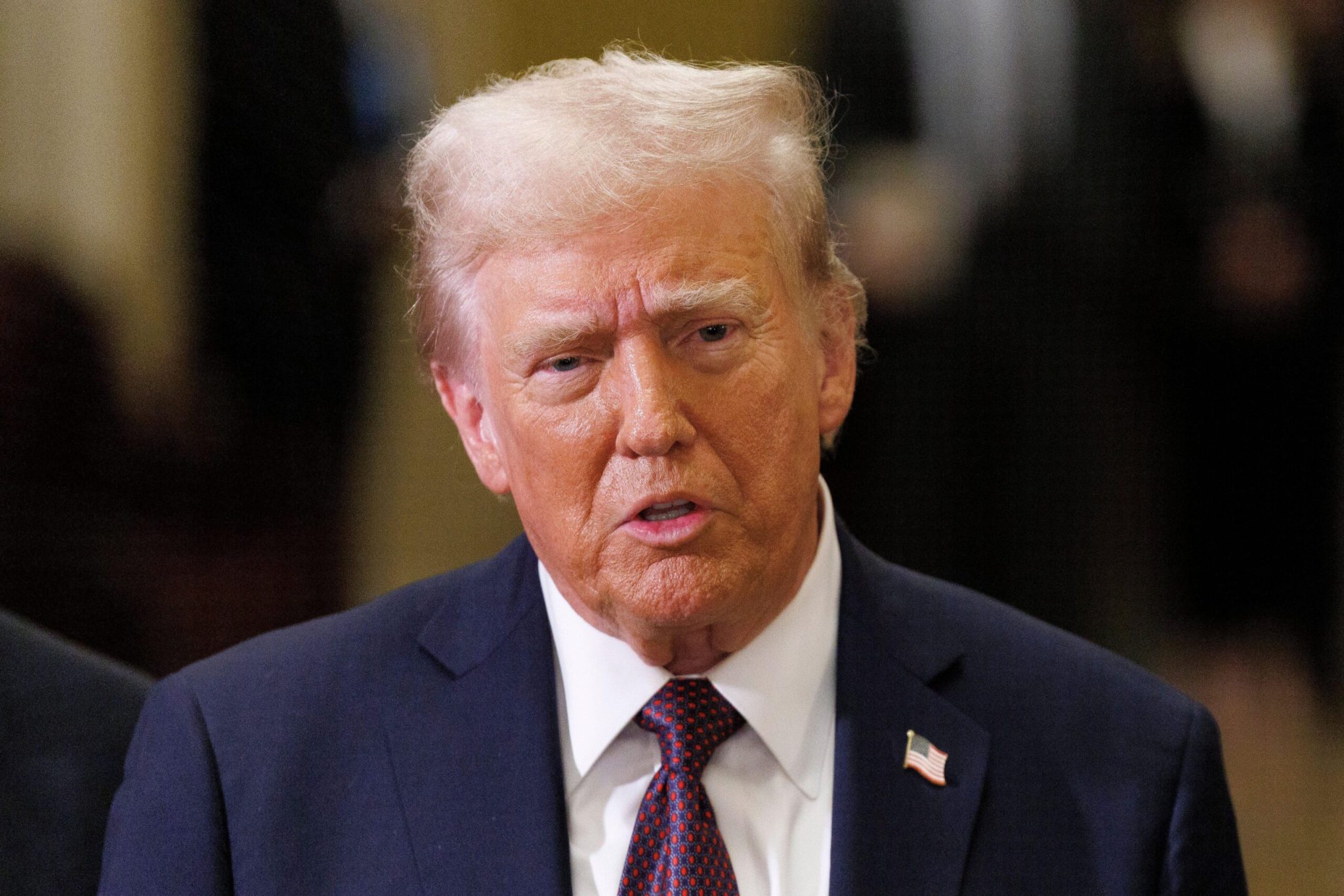
US President Donald Trump says he is prepared to discuss American arms sales to Taiwan during his visit to China this week, amid renewed tensions over the self-governing island.
Speaking at the White House on Monday, Trump said the issue would be part of his discussions with Chinese President Xi Jinping during the three-day visit to Beijing scheduled from Wednesday to Friday.
“President Xi would like us not to, and I’ll have that discussion,” Trump told reporters, referring to US weapons sales to Taiwan. He added that his relationship with Xi could help prevent conflict over the island.
Trump also downplayed fears of a Chinese invasion of Taiwan, saying, “I don’t think it’ll happen,” while noting that the United States is geographically distant from the region compared to China.
The visit is expected to focus heavily on trade and economic ties between the world’s two largest economies. The White House said Trump would be accompanied by several top American business executives, including Elon Musk and Tim Cook.
Taiwan’s foreign ministry responded by reaffirming its commitment to strengthening cooperation with the United States and building deterrence capabilities to maintain stability in the Taiwan Strait.
China, however, reiterated its opposition to US arms sales to Taiwan. Chinese foreign ministry spokesman Guo Jiakun said Beijing’s position on the issue remained “consistent and clear.”
Under US law, Washington is required to provide Taiwan with defensive weapons, despite formally recognising Beijing as the sole legal government of China.
Ahead of Trump’s visit, a bipartisan group of US senators urged the administration to approve a proposed $14 billion arms package for Taiwan, insisting that American support for the island “is not up for negotiation.”
The trip also comes amid renewed friction over Iran. On Monday, the Trump administration imposed sanctions on 12 individuals and entities accused of facilitating Iranian oil sales to China, prompting criticism from Beijing, which condemned the measures and pledged to protect the interests of its businesses.