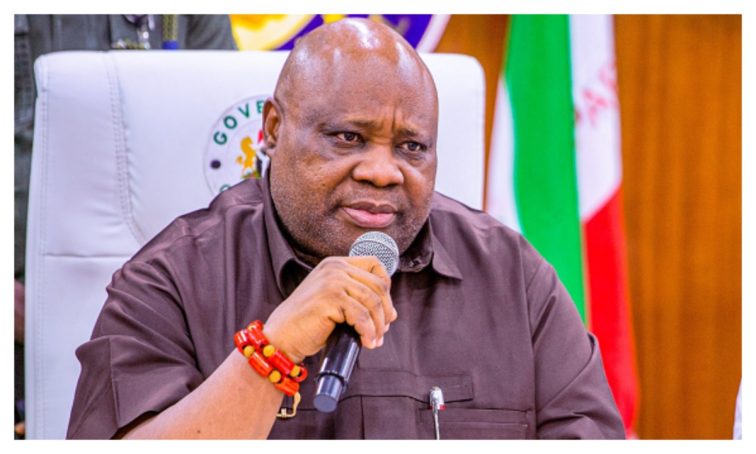
 Former Lagos State APC spokesman Seye Oladejo has described Governor Ademola Adeleke’s re-election in Osun State as a significant boost for Nigeria’s democracy, saying the result challenges claims that the country is drifting inevitably towards a one-party state.
In a statement on Monday, Oladejo said Adeleke’s victory demonstrated the resilience and competitiveness of Nigeria’s electoral system, particularly amid growing concerns over opposition politics and defections to the ruling All Progressives Congress.
“Democracy is not measured by how often the ruling party wins elections. It is measured by whether the people retain the freedom to choose who governs them—and whether that choice is respected,” he said.
Oladejo said the Osun result showed that voters could not be taken for granted and that electoral outcomes remained unpredictable. He described the election as a “useful reality check” for those who believe the APC’s growing political strength would translate into dominance across all electoral contests.
He urged political parties, including the APC, to avoid complacency and treat every election as a fresh contest requiring them to earn voters’ support.
“No ruling party, regardless of its structure, influence, resources, incumbency or political pedigree, possesses a permanent certificate of victory,” he said.
Oladejo also commended President Bola Tinubu for accepting Adeleke’s victory and congratulating him, saying democratic maturity should be measured by how leaders respond when electoral outcomes do not favour their parties.
He, however, urged Adeleke to use his renewed mandate to improve infrastructure, education, healthcare, security, job creation and economic opportunities in Osun.
“An electoral victory is not the destination. It is permission to govern,” he said.
Oladejo said the Osun election could offer an important lesson ahead of the 2027 general elections, arguing that Nigeria’s political space remained competitive and that every electoral mandate had to be earned.