The Developing Eight (D-8) Organisation for Economic Cooperation has set a target of raising trade among its member countries to $500bn by 2030, with Nigeria’s Centre for Small and Medium Enterprises in Abuja expected to support the bloc’s economic integration efforts.
The D-8 Secretary-General, Ambassador Sohail Mahmood, announced the target on Thursday at the second D-8 Business Forum in Jakarta, Indonesia. He said stronger private-sector partnerships, improved market access, increased investment and resilient supply chains were critical to achieving the goal.
Mahmood said intra-D-8 trade stood at approximately $157bn in 2024, leaving significant room for growth. The organisation comprises nine economies across Asia, Africa and Europe, with a combined population of about 1.3 billion and gross domestic product exceeding $5tn.
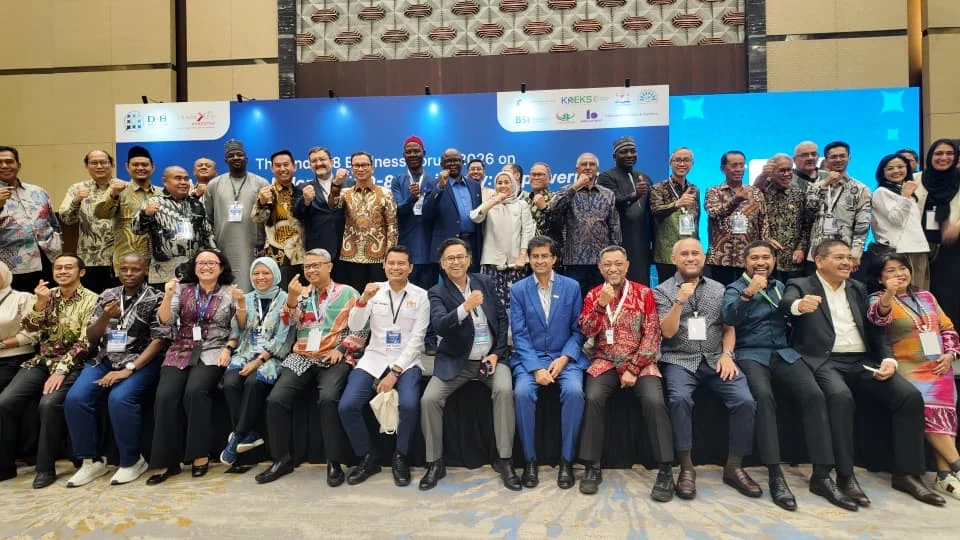
Held on the sidelines of the 41st Trade Expo Indonesia on October 15, 2026, the forum focused on advancing Indonesia’s D-8 presidency and strengthening business cooperation in trade and supply chains. Mahmood said member countries needed to expand market access, diversify sourcing and establish industrial partnerships to increase commercial exchanges.
He also highlighted the importance of implementing the D-8 Preferential Trade Agreement, urging member countries to ensure businesses fully benefit from the arrangement. He identified customs procedures, non-tariff barriers, logistics, transport connectivity and business mobility as areas requiring improvement to facilitate cross-border trade and investment.
Mahmood described the establishment of the D-8 Centre for Small and Medium Enterprises in Abuja in June 2025 as an important step towards strengthening entrepreneurship and business capacity. He said closer cooperation among the centre, the D-8 Chambers of Commerce and Industry, and the D-8 Secretariat could connect small businesses with larger enterprises, facilitate joint ventures and expand opportunities for women and young entrepreneurs.
He identified textiles, automotive manufacturing, pharmaceuticals, agriculture, food processing, energy and digital technologies as sectors with strong potential for joint ventures, technology transfer and cross-border investment. He added that member countries needed to move beyond trading finished goods towards creating shared value through partnerships among manufacturers, suppliers, investors and technology firms.
Meanwhile, Nigerian business representatives at the forum expressed concern over the absence of a government delegation despite the participation of Nigerian entrepreneurs.
Hassan Yaro, president of the Kano Council of Traders and Entrepreneurs and a council member of the Kano Chamber of Commerce, said more than 150 Nigerian entrepreneurs and business representatives had travelled to Indonesia to explore partnerships and investment opportunities. He questioned the absence of government officials, noting that Nigeria’s participation in international trade events should produce measurable commercial benefits.
Yaro acknowledged the Federal Government’s efforts to promote the halal economy, particularly those led by Vice-President Kashim Shettima, but urged the Presidency to give greater attention to opportunities available to Nigerian businesses through the D-8 framework. He cited access to finance, halal industries and international partnerships as areas requiring stronger government support.
He suggested that the Ministry of Trade might not have received sufficient notice to attend the forum but called for better coordination ahead of future events. Yaro urged the government and relevant institutions to identify businesses aligned with the objectives of international trade forums and ensure their participation translates into tangible partnerships, investment and export opportunities.