By George Adetoro
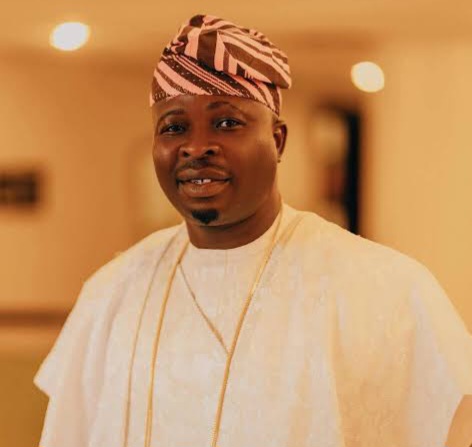
Chief Otunola Adebayo Awoniyi has every reason to stand firmly by his political convictions. A Political Science graduate of the prestigious University of Ilorin, businessman, humanitarian and committed Peoples Democratic Party chieftain, he brings intellectual strength, practical experience and compassion to public life.
I know him personally. Otunola was my classmate. We studied together, lived in the same hostel and shared meals. My assessment comes from close companionship during our formative years, when character revealed itself through everyday conduct.
Even then, Otunola demonstrated intellectual sharpness, sound judgement and generosity. He examined issues carefully, defended his positions confidently and maintained relationships across differences. His humanity was evident long before contemporary political interests brought his name into wider discussion.
I have watched those qualities mature into formidable strategic ability. The brilliant colleague I knew has become an organiser who understands political situations, connects with people and pursues clear objectives. In my assessment, that combination explains why his interventions unsettle some opponents.
His entrepreneurial journey also began early. During our university days, he assisted his sister, Aunty Kemi Fajana, gaining practical exposure to enterprise while pursuing his education.
I remember a young man willing to work, learn and build his future. The businessman we see today has roots in those years of initiative and effort.
That history deserves emphasis. At a time when access to government resources is sometimes confused with achievement, Otunola’s early business involvement provides a meaningful account of ambition grounded in enterprise.
Public office must never become a route to personal enrichment. Society should recognise people who develop themselves through productive activity and subsequently bring that experience into public affairs.
Otunola’s training in Political Science strengthens his engagement. Politics requires an understanding of leadership, organisation, representation and accountability. Strategy demands the ability to assess competing interests, communicate effectively and build relationships around shared objectives.
His commitment to Engr. Bolakale Kawu’s governorship ambition and the House of Representatives aspiration of Chief Joseph Adewole Gbenga, popularly known as Obanla, expresses a clear political direction.
As a PDP chieftain, he is working for the leadership choices he believes deserve public support. That is legitimate political participation. His opponents cannot reasonably expect him to abandon his convictions because his organisational efforts inconvenience their ambitions.
The APC’s supporters are entitled to promote their preferred candidates. Otunola possesses the same freedom. No party holds exclusive authority to define patriotism, community loyalty or commitment to Kwara’s development.
A political culture that welcomes successful citizens only when they support the ruling party undermines meaningful competition. Citizens must be free to organise alternatives and question those seeking power.
Opposition helps make elections consequential. It requires competing platforms to explain their records, defend their proposals and seek public confidence. Otunola’s participation contributes to that contest.
His business experience gives his politics practical substance. Enterprise requires discipline, planning and decisions under pressure. It exposes people to employment challenges, rising costs, investment risks and uncertainty.
These realities matter in government. Policies influence whether businesses survive, workers retain their livelihoods and families can plan beyond immediate needs. Otunola has sound reasons to care about who governs and who represents the people.
Yet his humanity remains central to my assessment. Hostel life allowed me to observe his generosity closely. Shared living reveals how people respond to difficulties and treat others when there is no audience to impress.
A compassionate person has compelling reasons to engage politically. Private assistance can meet immediate needs; effective institutions can expand opportunity across society. Concern for people naturally extends to concern about leadership.
Critics within the APC should therefore present their strongest political case. Let them explain their candidates’ advantages, defend their records and demonstrate how their programmes would improve security, education, healthcare and economic opportunity.
Attacking Otunola merely for supporting Kawu and Obanla cannot establish another candidate’s superiority. Political argument requires substance. The electorate deserves evidence and credible commitments.
Equally, no political party owns a community. A citizen’s contribution does not lose its value because he supports a different platform. Communities benefit when their members can disagree vigorously while preserving dignity and mutual respect.
Otunola should remain focused: explain his convictions, organise support and connect his preferred candidates’ ambitions with the responsibilities they would owe citizens.
His loyalty should include expecting those he supports to honour their commitments. Strong advocacy gains credibility when its purpose remains effective leadership and public service.
Those of us who knew him at the University of Ilorin recognise the foundations of his present strength: a sharp mind, entrepreneurial initiative and a generous spirit.
I studied with him, lived with him and shared meals with him. My confidence rests on that personal knowledge and my observation of his development.
Otunola Adebayo Awoniyi brings intellect, enterprise and human concern into the political arena. His opponents must engage that substance. He should continue his work confidently, with the discipline to organise, the courage to defend his convictions and the compassion to remember the people whose future gives politics its purpose.
That is the Otunola I knew, and the political strategist I recognise today.