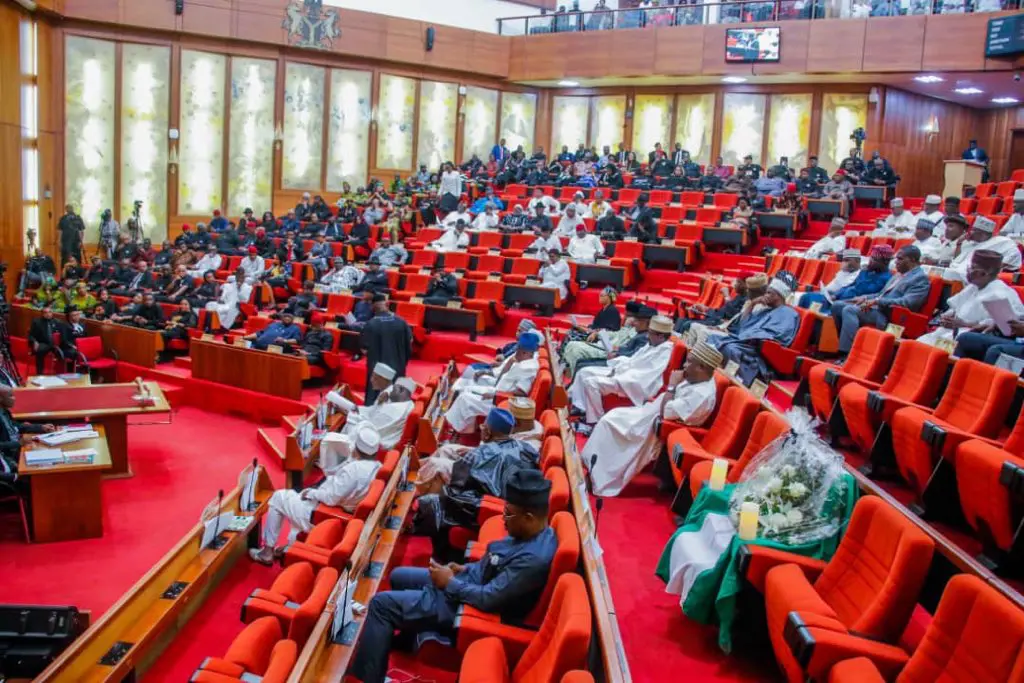
The Senate has passed for second reading a bill seeking to establish mandatory emergency treatment standards in Nigerian hospitals and penalise healthcare facilities that unlawfully delay life-saving medical attention.
The National Health Act Amendment Bill 2026, sponsored by Senator Abdulaziz Musa Yar’Adua (Katsina Central), seeks to amend the National Health Act 2014 to address delays in emergency care and prevent avoidable deaths.
Leading the debate on Wednesday, Yar’Adua said the proposed amendment would establish enforceable standards for emergency treatment and referrals, ensuring Nigerians receive prompt medical attention regardless of their financial status or location.
He attributed many preventable deaths to the absence of clear timelines for patient assessment, stabilisation and treatment, adding that Nigeria accounts for about 10 per cent of global maternal deaths due to delays in accessing emergency obstetric care.
Under the proposed legislation, hospitals would be required to assess emergency patients within 15 minutes of arrival and begin stabilisation within 30 minutes, while life-saving interventions must commence immediately when life-threatening conditions are identified.
The bill also seeks to strengthen referral systems across primary, secondary and tertiary healthcare facilities, while providing protection for healthcare workers who act in good faith within documented resource limitations.
It proposes a fine of N300,000, imprisonment of up to six months, or both for individuals or facilities that violate the emergency treatment provisions.
Supporting the bill, Senator Mohammed Monguno (Borno North) said it would help reduce deaths arising from road accidents and maternal emergencies, arguing that healthcare providers who deliberately neglect emergency patients should face legal consequences.
Senator Diket Plang (Plateau Central) also backed the proposal, particularly its provisions on emergency admissions and referrals for rural communities.
However, Senator Francis Faduyile (Ondo South) warned against criminalising healthcare professionals without first addressing inadequate facilities, staff shortages and poor funding. He questioned how a doctor attending to several patients in an understaffed hospital could be held criminally liable for treatment delays.
Senate Minority Leader Abba Moro (Benue South) called for a comprehensive review of the healthcare system and condemned the practice of hospitals demanding police reports before attending to emergency patients.
Senate President Godswill Akpabio urged lawmakers to support the bill, stressing the need for collaboration among federal, state and local governments to improve healthcare infrastructure.
The Senate subsequently passed the bill for second reading and referred it to the Committee on Health for further legislative consideration, with a directive to report back within four weeks.