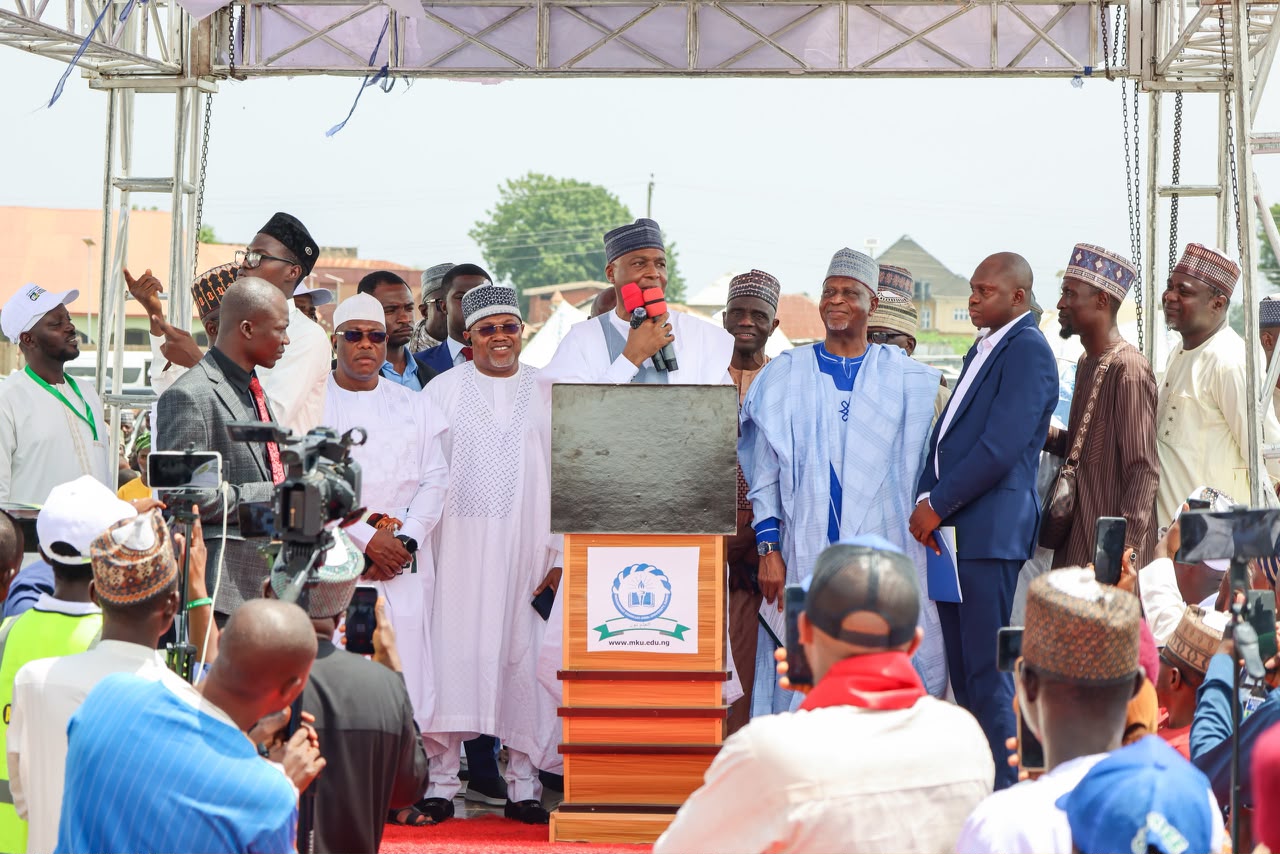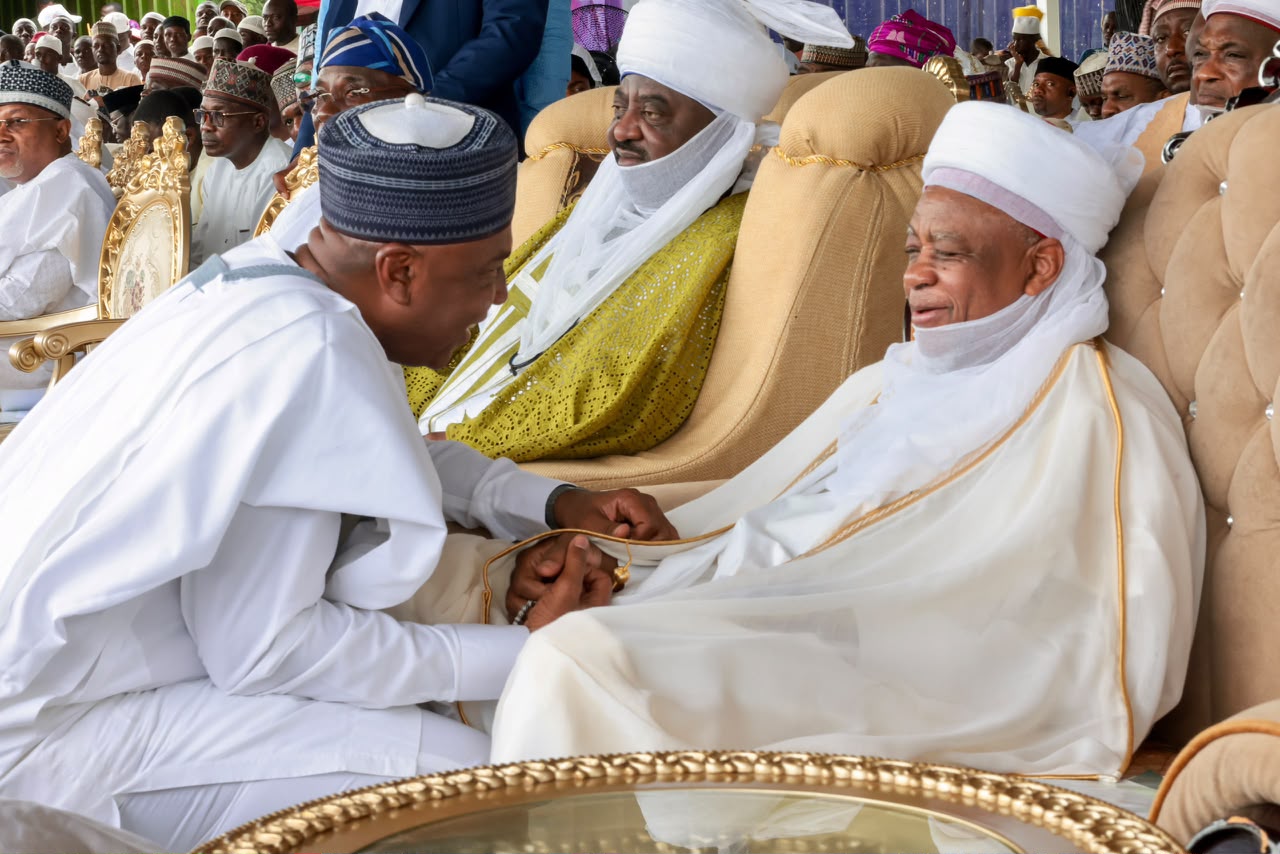
Former Senate President and Baba Adinni of the Ansar-Ul-Islam Society of Nigeria, Dr Abubakar Bukola Saraki, has described the Az-Zumratul Adabiyyatul Kamaliyyah School of Arabic and Islamic Studies as a defining institution in the history and identity of Ilorin and Kwara State.
Saraki spoke on Sunday at the grand finale and public presentation of the school’s centenary book, held at Muhammad Kamalul-Deen University, Ilorin.
He said the school’s 100th anniversary was a significant milestone, noting that few institutions in Nigeria had survived for a century while maintaining their relevance and expanding their impact.
According to Saraki, the continued growth of the institution reinforces Ilorin’s reputation as a centre of Islamic scholarship and learning.
He also paid tribute to the late Sheikh Kamaludeen Al-Adabiyy, whose intellectual and spiritual legacy, he said, continues to shape Islamic education in Ilorin.
Saraki commended successive Khalifahs and administrators for preserving and expanding the scholar’s vision, noting that the century-old school had become a foundation for several institutions, including the Ansar-Ul-Islam Society and Muhammad Kamalul-Deen University.
“From this Arabic and Islamic School, we now have a great society, the Ansarul-Islam Society to which I am, insha Allah, the Baba Adinni, and we have a university to which I am also associated,” he said.
As part of his support for the institutions, Saraki donated N150 million towards the centenary activities and ongoing development of the school.
He also highlighted his scholarship programme supporting 100 students from 100 level through 400 level at Muhammad Kamalul-Deen University, alongside other infrastructural interventions.
Saraki urged Kwarans and friends of the state to support the institutions consistently, saying such contributions would help preserve the legacies of those who dedicated their lives to knowledge and service.
The event attracted the Sultan of Sokoto, Alhaji Muhammad Sa’ad Abubakar III, who served as Royal Father of the occasion, as well as the Emir of Kano, Alhaji Aminu Ado Bayero, and other traditional, religious, political and academic leaders.