By Shakirat Lawal.
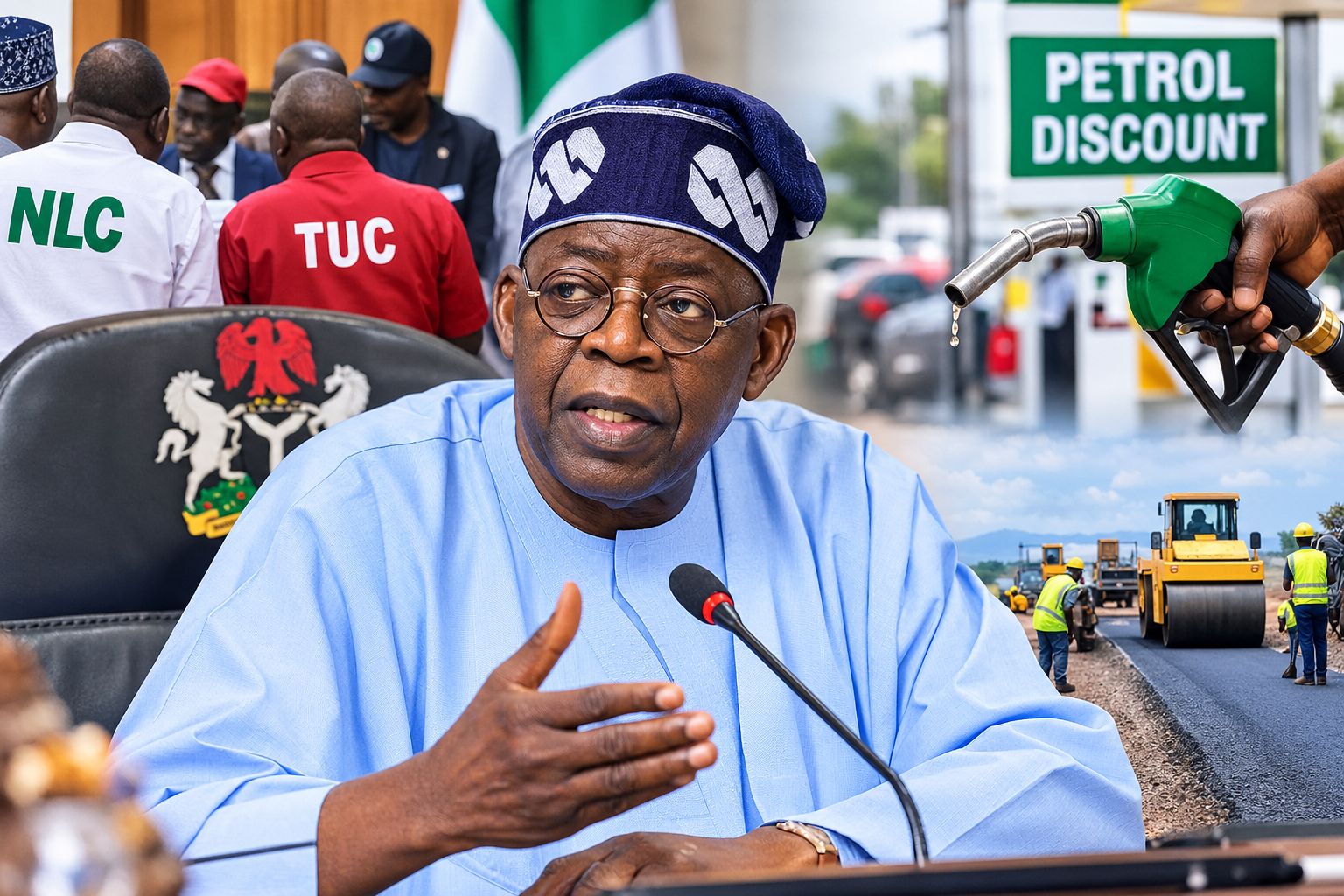
President Bola Tinubu is set to hold fresh discussions with organised labour over workers’ demands as the Federal Government seeks to prevent a possible strike and resolve outstanding disagreements over wages and other employment-related issues.
The Minister of Information and National Orientation, Mohammed Idris, said the government remained committed to dialogue with labour unions, expressing confidence that both sides could reach an understanding through sustained negotiations.
Idris recalled negotiations that preceded the approval of the N70,000 national minimum wage, noting that the discussions also addressed the period for reviewing workers’ wages.
According to the minister, Tinubu had questioned the existing five-year interval for wage reviews and suggested reducing it to three years to enable the government and labour unions to respond more quickly to changing economic conditions.
“The President said, ‘As we keep going, why do we even have to wait for five years before we review this?’ And it came up that we could actually review it in three years,” Idris said.
He assured workers that the President would honour his commitment to dialogue and continue engaging labour leaders to resolve outstanding disagreements in the national interest.
However, the minister did not announce a specific date for the proposed talks or disclose any new agreement with organised labour.
FG Defends 30-Day Petrol Discount
Idris also defended the Federal Government’s 30-day petrol discount initiative, insisting that it should not be interpreted as a return to fuel subsidy.
He explained that the measure was designed to provide temporary relief to consumers affected by rising petrol prices while maintaining the administration’s commitment to economic reforms.
The minister dismissed claims that the Nigerian National Petroleum Company Limited (NNPCL) was excluded from discussions leading to the initiative, insisting that the company and officials of the petroleum ministry were involved.
According to Idris, the proposal followed discussions on the impact of rising international oil prices on domestic fuel costs and the need to reduce the burden on consumers.
He said the NNPCL considered foregoing part of its profit to make petrol more affordable during the period covered by the initiative.
Idris maintained that the arrangement did not amount to a reversal of the fuel subsidy removal announced by Tinubu in May 2023.
He also promised to draw the attention of the relevant authorities to reports that some consumers were experiencing difficulties accessing the discount through digital platforms and payment applications.
Idris Cites Economic Growth Amid Hardship
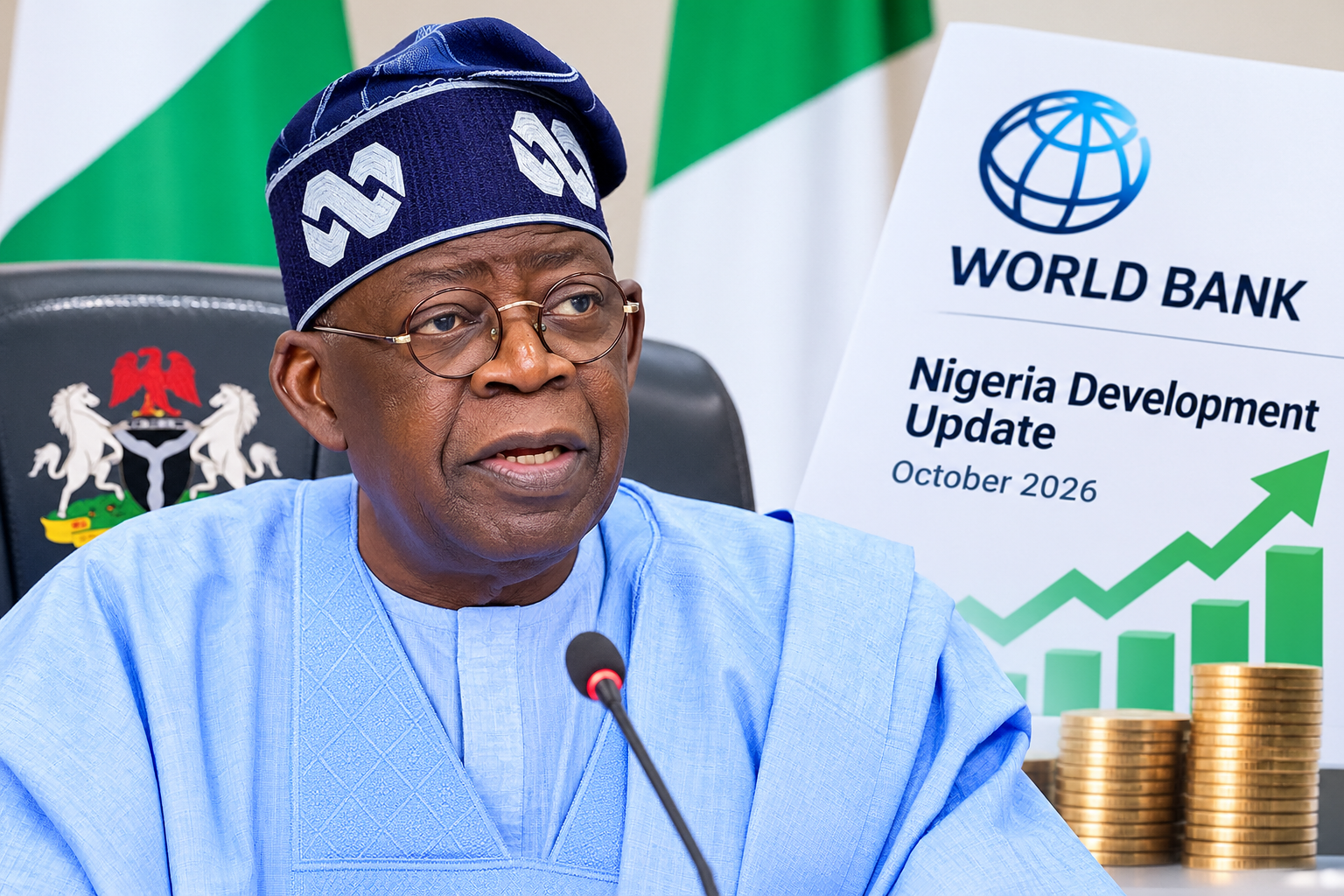
The minister defended the administration’s economic policies, citing figures he attributed to a World Bank report to argue that the economy was recording gradual growth despite continuing hardship.
According to Idris, Nigeria’s economy grew by 4.2 per cent in the first half of 2026, compared with 3.9 per cent during the corresponding period in 2025 and 3.5 per cent in 2024.
He acknowledged that the reported growth had not eliminated the difficulties facing households and businesses, particularly amid rising living costs.
“Does that mean the challenges are now over? Of course not. But we are seeing a steady movement from one point to another,” he said.
Idris argued that the government’s reforms were intended to address longstanding structural problems and create conditions for sustained economic growth, while acknowledging that the adjustment process had been difficult for Nigerians.
Presidency Defends Infrastructure and Security Efforts
The minister also rejected claims that the administration’s infrastructure projects were primarily driven by the 2027 general elections.
He said ongoing road projects were intended to improve transportation, connect cities, facilitate trade and create economic opportunities beyond the current administration.
“These roads are not being fixed for elections. We are fixing them so that Nigerians can have access, connect cities and create economic corridors for businesses to thrive,” Idris said.
On security, he maintained that the government was working to strengthen the capacity of the Armed Forces and other security agencies through improved equipment, intelligence, logistics and personnel support.
He acknowledged that terrorism, banditry, kidnapping and other criminal activities remained significant challenges in parts of the country but said the administration would sustain efforts to protect lives and property.
The minister also stressed the importance of improving the welfare and operational capacity of security personnel as part of the government’s broader security strategy.