The Obi-Kwankwaso (OK) Movement has questioned the Nigeria Democratic Congress (NDC)’s preparedness for the 2027 general elections following the unveiling of its National Campaign Council, insisting that its grassroots network is better organised for the campaign.
The movement’s Director-General, John Ughulu, criticised the timing of the announcement, arguing that political parties must establish effective grassroots structures, strategic plans and coordination mechanisms well ahead of an election.
Ughulu made the remarks in a statement issued in Abuja on Monday, a day after the NDC announced the composition of its campaign council. He claimed the OK Movement had laid the groundwork for mobilisation while other political actors were only beginning to organise their campaign machinery.
“The funny part of this list is that 90 per cent of the people on it will still come knocking on the doors of the OK Movement to beg for the very structure they have failed to build themselves,” he said.
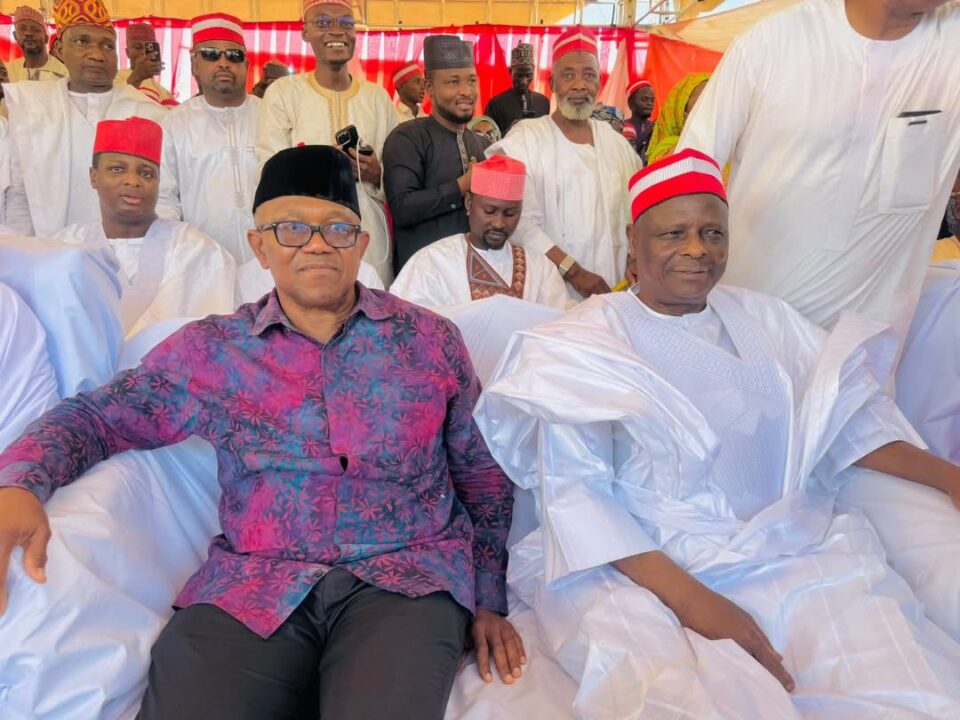
The NDC named its National Leader, Senator Seriake Dickson, as chairman of the National Campaign Council, with presidential candidate Peter Obi as co-chairman. The party’s National Chairman, Senator Cleopas Moses Zuwoghe, was appointed vice-chairman, while Rabiu Kwankwaso, Obi’s running mate, was named co-vice-chairman.
Other appointees include former Secretary to the Government of the Federation Babachir Lawal, who will chair the National Advisory Council; former Deputy Senate President Ovie Omo-Agege; former presidential candidate Pat Utomi; and former Congress for Progressive Change National Secretary Buba Galadima. Ikenna Enekweizu was named council secretary, while Ibrahim Abdulkarim was appointed director-general.
The appointments have intensified an existing disagreement between the NDC and the OK Movement over the movement’s organisational independence and role in the Obi-Kwankwaso campaign. Ughulu and the movement’s state, local government and ward coordinators were not included in the council.
The dispute also centres on the OK Movement’s decision to establish its own presidential campaign council. Dickson previously described the move as “unheard of” and “nonsensical,” arguing that support groups should complement political parties rather than operate parallel structures. He has maintained that the NDC is willing to work with support groups within clearly defined roles.
Ughulu, however, said the OK Movement was an independent political organisation and would retain its national and grassroots structures rather than surrender them to the NDC or any other body. He maintained that electoral success depended on sustained mobilisation, planning and coordination, not the number of prominent names on a campaign council.
“Elections are not won by titles, press releases, political noise, or the number of big names on a campaign council. Elections are won through grassroots mobilisation, effective coordination, strategic planning, committed people, and a well-established structure that reaches every polling unit,” he said.
The NDC was scheduled to inaugurate its National Campaign Council and commission its new national secretariat in Abuja on Monday. The programme was also expected to include the presentation of Certificates of Return to the party’s candidates for presidential, governorship, National Assembly and state assembly elections, alongside activities marking its third National Executive Committee meeting.
Ughulu insisted that the OK Movement would not be reduced to a ceremonial support group, saying its role in the Obi-Kwankwaso political project would be defined by its organisational capacity and grassroots network.