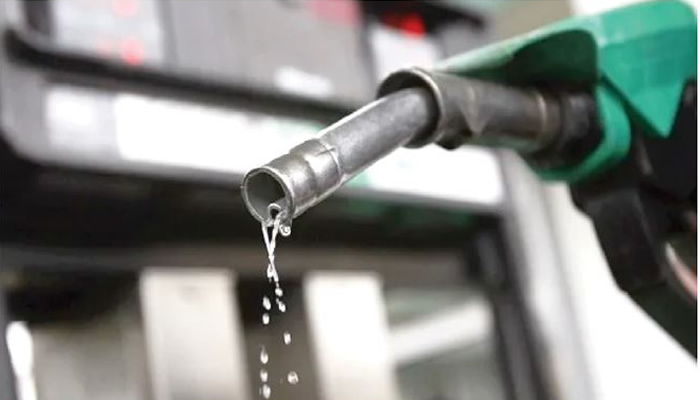
A senior official of the Dangote Group has said the company’s petroleum refinery is currently absorbing part of the rising cost of petrol and diesel sold in Nigeria, following a surge in global crude oil prices.
The official, who spoke on condition of anonymity, said the refinery’s ex-depot petrol price of about N1,200 per litre remains below full market-reflective levels due to efforts to cushion domestic consumers.
The development follows a sharp rise in global oil prices triggered by geopolitical tensions in the Middle East, including disruptions in the Strait of Hormuz. Brent crude, which had averaged about $66 per barrel in February, reportedly climbed above $100 per barrel during the period.
According to the source, the price shock forced adjustments across petroleum products, including petrol, diesel, and aviation fuel, as supply costs increased significantly.
The official explained that while the refinery is partially moderating petrol and diesel prices, it is selling aviation fuel at prevailing market rates, noting that it cannot subsidise all product categories.
“We try to optimise PMS and diesel prices to help the public, but we cannot subsidise everything. Jet fuel is sold at market price,” the official said.
The source also confirmed that aviation turbine kerosene is currently sold at about N1,799 per litre, below N2,000, depending on market conditions and distribution levels.
This comes amid growing concerns in the aviation sector over rising Jet A-1 prices, which airline operators say have surged by over 300 per cent, with some reports placing retail prices as high as N3,300 per litre.
The Airline Operators of Nigeria (AON) has warned that the increase is putting severe pressure on operations, with some airlines threatening to suspend services if costs remain high.
However, the Major Energies Marketers Association of Nigeria (MEMAN) attributed the price fluctuations to global market conditions, while noting that industry prices vary and remain below some of the higher figures cited by operators.
MEMAN also urged airlines to consider alternative suppliers where necessary, saying market competition should help moderate costs.
As fuel prices continue to fluctuate, stakeholders say the situation reflects broader global energy pressures, even as domestic operators struggle to balance supply costs with operational sustainability.