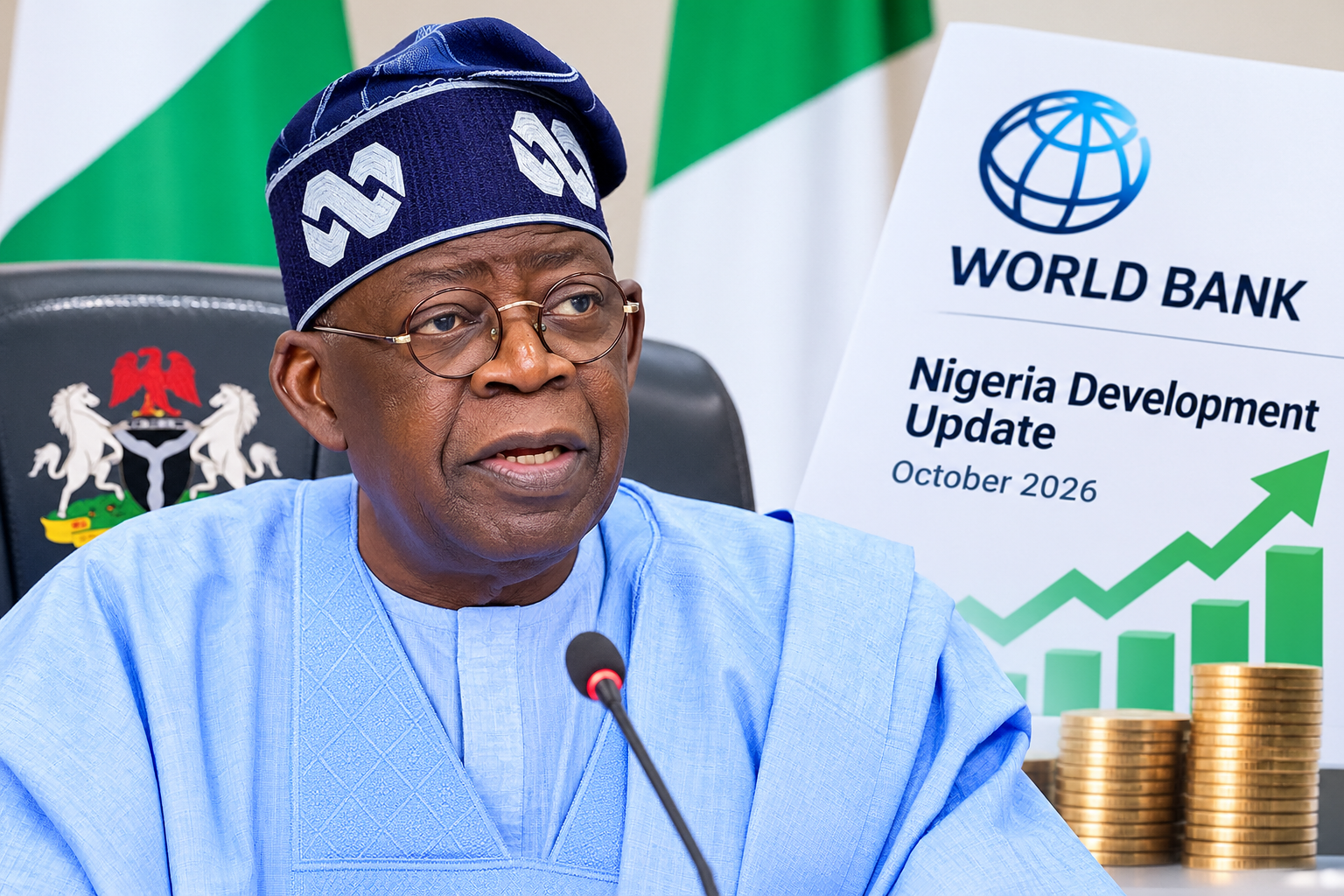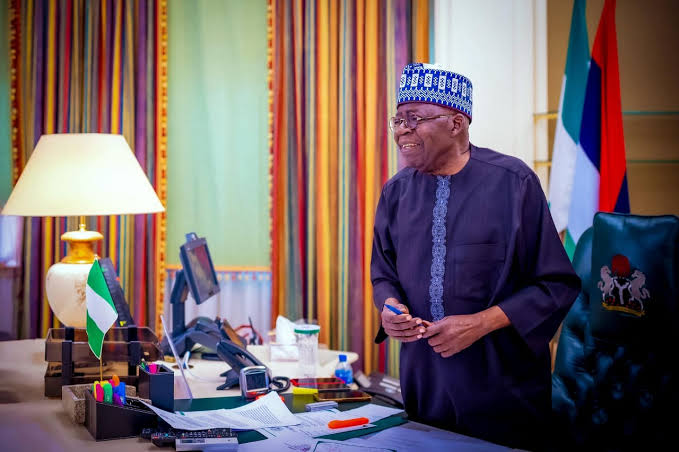
President Bola Tinubu has marked the third anniversary of his administration, reflecting on the reforms introduced since assuming office in 2023 and defending key policy decisions taken to stabilise Nigeria’s economy.
In a national address, Tinubu said he accepted the mandate to lead the country “fully aware of the magnitude of the challenges,” noting that his government inherited deep economic and structural difficulties.
He listed fiscal pressures, fuel subsidy costs, exchange rate distortions, rising debt servicing, insecurity, and energy shortages as major issues confronting the country at the time.
According to him, Nigeria was spending as much as ₦18.4 billion daily on fuel subsidies, amounting to over ₦4 trillion in 2022, while multiple exchange rates contributed to significant financial losses and economic inefficiencies.
Tinubu said the decision to remove subsidies and unify the exchange rate system was necessary to avoid a deeper fiscal crisis, despite the short-term hardship it created for citizens.
He acknowledged the impact of the reforms on living costs, saying many households and businesses had experienced financial strain but insisted the measures were necessary for long-term recovery.
The President said the economy has since stabilised, citing improved public finances, increased allocations to subnational governments, and renewed investor confidence.
He also pointed to strong performance in the capital market, noting significant growth in the All Share Index and market capitalisation since 2023, alongside higher corporate profits and dividends.
On infrastructure, Tinubu said more than 2,700 kilometres of roads are currently under construction or rehabilitation, including major highways across different regions, while rail and energy projects are also progressing.
In the oil and gas sector, he said reforms have attracted new investments, including progress on the NLNG Train 7 project, while domestic refining capacity has improved energy security and reduced import dependence.
Tinubu added that government interventions in agriculture, housing, education, and healthcare are expanding access to services, while digital and telecommunications reforms are helping to strengthen economic activity.
He said security operations have been intensified against armed groups and criminal networks, noting that while challenges remain, progress is being made in restoring safety in several areas.
Reaffirming his administration’s direction, the President said Nigeria is on a path of recovery and urged citizens to remain patient as reforms begin to yield results.
He called for national unity and continued support for government policies, stressing that the benefits of ongoing reforms would become more visible in the daily lives of Nigerians over time.