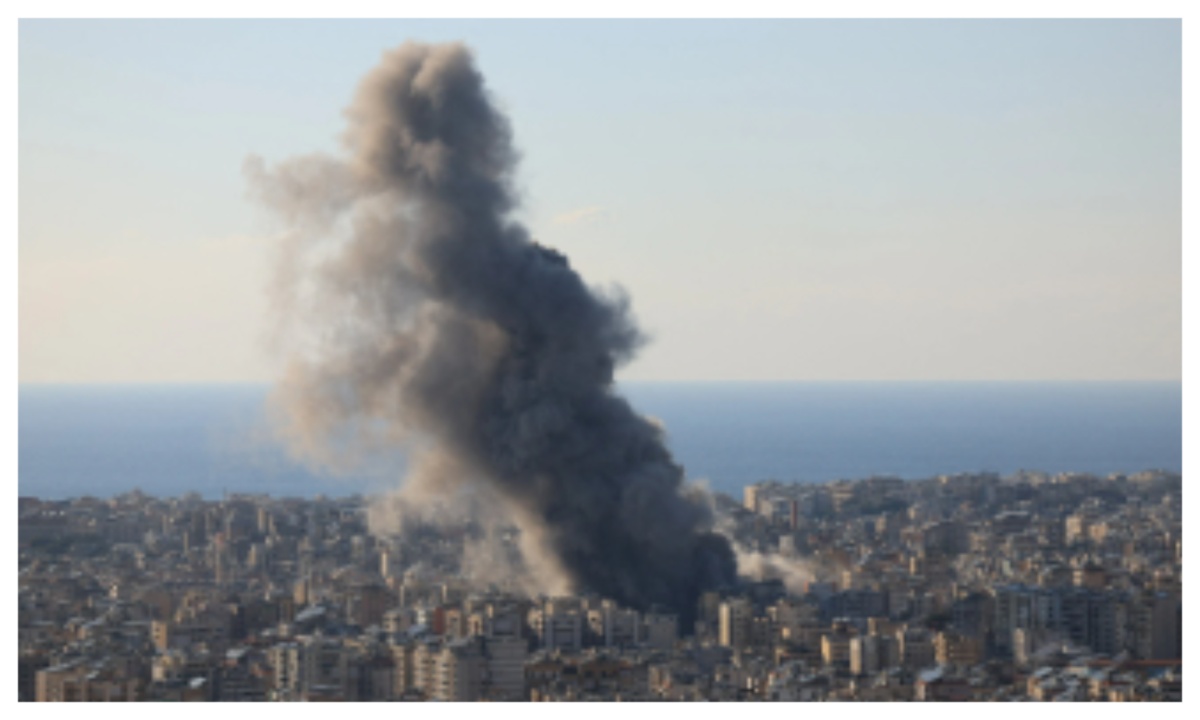
Israel launched a new series of strikes on Iran on Monday, intensifying a conflict that has already disrupted energy markets worldwide.
The Israel Defense Forces (IDF) announced on X that it carried out “a widespread wave of attacks” on Iranian government infrastructure in Tehran.
The attacks come as Iran threatened retaliation against critical infrastructure across the Middle East, raising concerns about broader regional escalation.
According to Fatih Birol, head of the International Energy Agency, at least 40 energy facilities in oil- and gas-producing countries have been severely affected since the conflict began.
Explosions were reported in Tehran, while the United Arab Emirates and Saudi Arabia said they intercepted incoming missiles and drones, signaling the conflict’s regional spread.
In response, Iran has launched missiles and drones targeting Israel, Gulf energy facilities, and U.S. diplomatic sites.
The ongoing conflict has entered its fourth week, with no signs of de-escalation, prompting global fears over energy security and supply disruptions.
Analysts warn that continued military actions could further destabilize key oil-producing regions, worsening the ongoing energy crisis.
Governments and international organizations have called for restraint and diplomatic engagement to prevent further escalation in the region.
The situation remains volatile, with both sides continuing to strengthen military operations while the international community monitors developments closely.